

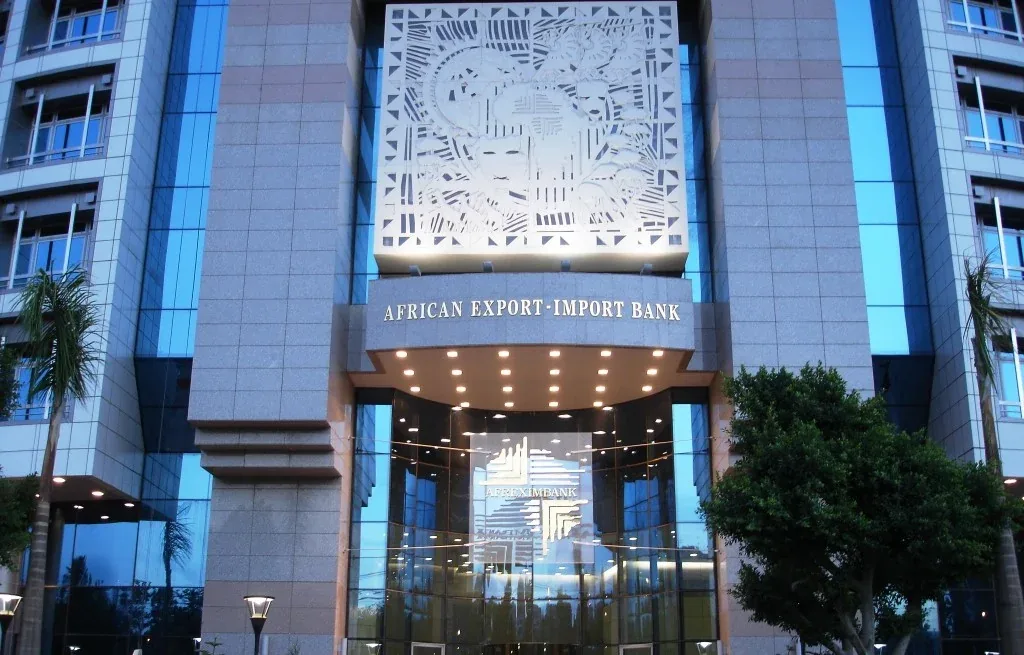
Afreximbank’s Executive Vice President for Global Trade Bank, Haytham El Maayergi, made the call at the opening of the bank’s inaugural joint Trade Finance Seminar and Compliance Forum in Gaborone, Botswana.
The three-day event, which began on November 16, 2026, brought together financial institutions, regulators, policymakers and trade experts to examine ways of improving trade financing and compliance systems across Africa.
El Maayergi said access to finance and effective regulatory frameworks must work together to unlock the opportunities created by the African Continental Free Trade Area (AfCFTA). He explained that businesses need adequate funding to trade across borders, while transparent and reliable compliance systems are essential for building trust among financial institutions and trading partners.
He observed that geopolitical tensions and disruptions to international supply chains had exposed the risks associated with excessive dependence on distant markets. According to him, the changing global economic environment presents Africa with an opportunity to attract investment, strengthen regional production networks and become a more competitive manufacturing destination.
The Afreximbank executive also pointed to the continent’s natural resources, available land and growing population as major advantages. He noted that Africa is projected to account for one in four people globally by 2050, but warned that the demographic opportunity would only translate into prosperity if governments and businesses make the right economic decisions.
Despite progress in regional trade, El Maayergi said intra-African transactions still account for a relatively small proportion of the continent’s overall trade. He disclosed that such trade grew by 5.5 per cent in 2025 but represented only about 14 per cent of Africa’s total trade.
He further noted that although 50 countries had ratified the AfCFTA agreement, only 12 were actively trading under its framework, highlighting the need to move beyond formal commitments and ensure businesses experience practical benefits from the continental trade arrangement.
He called for stronger regional value chains and increased investment in industries capable of converting African raw materials into finished and intermediate products for local and international markets.
Using Botswana as an example, El Maayergi highlighted efforts to expand local participation in the diamond industry, including the relocation of De Beers Group’s global rough-diamond sales activities from London to Gaborone.
He also referenced cooperation between the Botswana Stock Exchange, Nigerian Exchange Group and other African exchanges to broaden cross-border investor participation in the Dangote Petroleum Refinery public offering.
Acting Chief Executive Officer of the Botswana Investment and Trade Centre, Anthony Sefako, said the country’s economic diversification programme offered significant opportunities for investors and financial institutions.
He explained that Botswana was working to reduce its dependence on diamond mining by developing a more diversified, export-oriented economy supported by digital technology and industrial production.
Sefako disclosed that Botswana was targeting an increase in manufacturing exports to 23 per cent by 2036. Priority areas include battery-metal refining, pharmaceutical manufacturing, industrial steel, renewable energy and agricultural value chains.
He said the country was also working to commercialise viable industrial projects that require trade financing and supply-chain funding to reach full production.
El Maayergi identified regional integration, value addition, confidence in African businesses and trust as essential pillars for advancing industrialisation.
He highlighted Afreximbank’s Pan-African Payment and Settlement System (PAPSS), which supports cross-border payments in local currencies, as an important tool for reducing payment barriers and making trade between African countries easier.
Other initiatives mentioned included the bank’s Strategic Minerals Development Programme, its support for mineral processing and the XTRA platform, which facilitates the confirmation and trading of African trade-related risks. According to the bank, XTRA has facilitated more than $1.5 billion in transactions.
On regulatory compliance, El Maayergi stressed that due diligence and effective financial controls should support legitimate trade rather than create unnecessary obstacles for businesses.
He said stronger compliance frameworks would help African banks maintain correspondent banking relationships, attract international investment and participate more effectively in global financial markets.
The joint forums are also examining how digital technology, artificial intelligence and innovative financial instruments can improve trade processes, reduce transaction costs and strengthen risk management.
Afreximbank also highlighted its Africa Trade Gateway, which brings together platforms for trade information, due diligence, electronic trade and cross-border payments. The bank said the integrated infrastructure is intended to make African markets more accessible and improve the efficiency of trade across the continent.
The discussions reflect growing calls for African governments and financial institutions to strengthen regional economic cooperation, improve access to trade finance and build industries capable of retaining more value from the continent’s natural and human resources.
Reporting by TalkNaijaMedia





Reader Comments (0)
No comments yet. Be the first to share your perspective on this report.