

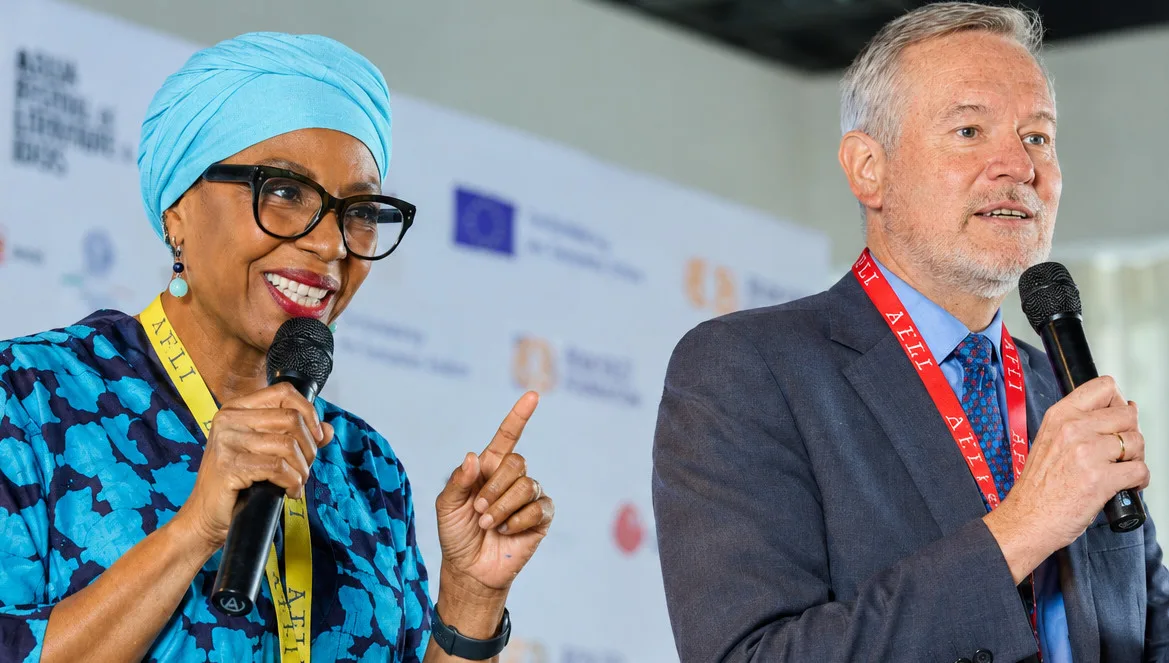
Organised by the Book Buzz Foundation in collaboration with the European Union Delegation to Nigeria and ECOWAS, the inaugural festival held on October 9 and 10, 2026. It was supported by European diplomatic missions and other partners, with the aim of creating a platform for meaningful conversations between Nigerian and international voices.
Speaking at the opening, Lola Shoneyin, director of the Book Buzz Foundation, said Abuja deserved a world-class literary festival that would recognise the city's cultural potential and provide more opportunities for creative expression.
Shoneyin, who recalled living and working in Abuja for three years, said the city had an enthusiastic audience for cultural activities but needed more platforms to bring readers, writers, artists and thinkers together.
She explained that AFLI was created to connect local audiences with international ideas while preserving a distinctly Nigerian identity. According to her, the festival was intended to make literature and intellectual discussion more accessible while encouraging participants to examine issues affecting their communities and the wider world.
The festival's identity also draws inspiration from Nigeria's artistic heritage. Shoneyin said its logo pays tribute to Ladi Kwali, the celebrated Nigerian potter from the Gbagyi community whose work brought international attention to traditional pottery and contemporary ceramic art.
The choice reflects the organisers' ambition to celebrate Nigerian creativity while encouraging cultural exchange across borders.
The festival's programme covers a wide range of subjects, including social divisions, freedom, artificial intelligence, the internet, science, poetry and the future of cultural expression. Shoneyin also highlighted the importance of creating opportunities for young people in Northern Nigeria to share their aspirations and for women writers from the region to gain greater recognition.
European Union Ambassador to Nigeria and ECOWAS, Gautier Mignot, described the event as an important opportunity to expand cultural activities beyond Lagos and strengthen literary engagement in Abuja and Northern Nigeria.
Mignot said the EU and its member states regarded culture as a means of promoting mutual understanding, encouraging dialogue and creating economic opportunities for artists, writers and creative institutions.
He commended Shoneyin and the Book Buzz Foundation for organising the festival and acknowledged the contributions of the diplomatic missions of Italy, Spain and Sweden. He also highlighted European-backed cultural programmes in Nigeria, including film festivals, creative industry events and initiatives encouraging collaboration between African and European artists.
The ambassador drew attention to the Nigerian Picture Book Project, which recently unveiled 20 picture books created by Nigerian writers and illustrators for children across the country. The project aims to promote reading and provide stories that reflect Nigerian experiences and cultural identities.
Mignot said such initiatives formed part of wider efforts to support Africa's creative economy by helping artists develop their work and build international partnerships.
Peacebuilding was another major theme at the festival, particularly through the participation of Sergio Jaramillo, Colombia's former High Commissioner for Peace and a figure associated with the country's peace process.
Jaramillo's contribution provided an opportunity to examine Colombia's experience of conflict resolution and consider perspectives relevant to Nigeria's own security and peacebuilding challenges.
A panel discussion featuring Jaramillo and Nigerian literary figure Richard Ali explored the difficulties of resolving conflict and achieving lasting peace. Their discussion placed emphasis on dialogue, understanding and the role ideas can play in helping divided societies find common ground.
Mignot also stressed the importance of literature in challenging destructive ideologies and encouraging people to imagine a more peaceful world. He said books and ideas could provide the inspiration and moral strength needed to build better societies.
Beyond the discussions on peace and technology, the festival featured book conversations, poetry sessions and other panel discussions examining literature, identity, public life and cultural development.
For the organisers, the ambition extends beyond a successful two-day event. They hope AFLI will help establish Abuja as a stronger destination for literary and intellectual engagement, giving Nigerian writers greater visibility and creating more opportunities for exchanges with international thinkers.
The festival also provides a platform for emerging voices, particularly young people and women writers whose perspectives can broaden conversations about Nigeria's cultural and social future.
Whether the event becomes a lasting fixture on the country's literary calendar will depend on sustained participation, continued partnerships and opportunities for writers and audiences to engage beyond the inaugural edition.
For Abuja's cultural community, however, AFLI represents a new platform for bringing literature, ideas and international perspectives into public conversation while strengthening the capital's connections with the global creative community.
Reporting by TalkNaijaMedia

Reader Comments (0)
No comments yet. Be the first to share your perspective on this report.