

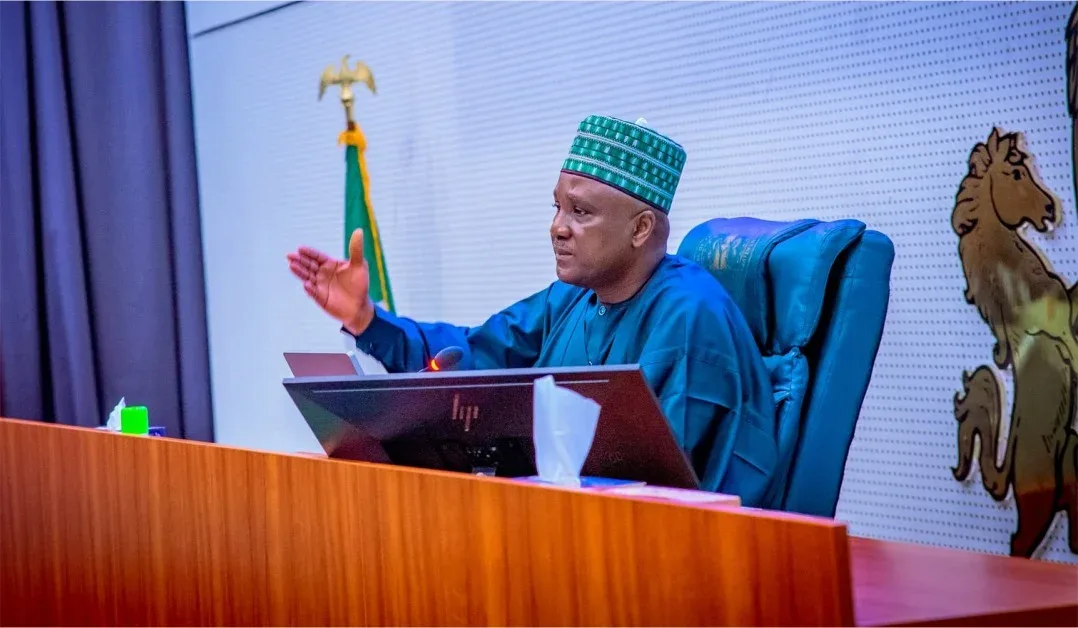
The Speaker warned that election preparations must not take precedence over the interests of Nigerians, stressing that members of the House were elected to serve their constituents throughout their tenure.
He called for improved attendance at plenary and committee meetings, proposing that Tuesdays and Thursdays should be dedicated to major bills and urgent national issues under the 100-day programme.
Abbas also announced plans to publish a comprehensive legislative scorecard and legacy report before the end of the 10th Assembly. The report, he said, would allow Nigerians to assess the House’s achievements against its commitments.
Among the priorities identified by the Speaker is the conclusion of the ongoing constitutional review process. He highlighted proposed amendments relating to state police, reserved seats for women and other constitutional reforms that require continued engagement with the Senate and state Houses of Assembly.
The proposed state police framework is particularly significant amid persistent security challenges across the country. However, the constitutional amendment process requires the participation and approval of relevant institutions, including state legislatures, before the proposed changes can become law.
Abbas also urged the Federal Government to submit the Medium-Term Expenditure Framework and Fiscal Strategy Paper for the 2027 budget promptly. He said early submission would give lawmakers sufficient time to scrutinise the government’s fiscal plans and work towards the timely passage of the Appropriation Bill.
The Speaker said the House would also prioritise executive bills and requests submitted by President Bola Tinubu, including the proposed National Research Development Fund Bill and the request to domesticate the Geneva Conventions and their relevant protocols.
He described the Geneva Conventions proposal as important to Nigeria’s international obligations and the protection of civilians, wounded persons and prisoners during armed conflicts.
On preparations for the 2027 elections, Abbas called for strict compliance with the Electoral Act and adequate support for the Independent National Electoral Commission. He maintained that institutions responsible for conducting and supporting elections must operate with neutrality, competence and restraint.
The Speaker also reviewed the House’s legislative performance, citing figures showing that 2,747 bills had been introduced and 363 passed between the inauguration of the 10th Assembly in June 2023 and June 15, 2026.
He noted that the number of bills passed had increased across the first three legislative sessions, rising from 89 in the first session to 148 in the second and 126 in the third. The figures, he said, reflected the House’s legislative activity, although significant work remained.
According to Abbas, the House had also processed motions and public petitions, while its internal assessment showed that between 65 and 70 per cent of the principal milestones in its legislative agenda had been completed.
He cautioned, however, that legislative performance should not be judged simply by the number of bills passed. Instead, he argued that laws should address real problems, investigations should protect the public interest, and oversight should improve the management of public resources.
With the Assembly entering its fourth and final session, Abbas urged members to conclude priority legislation, complete outstanding investigations and ensure that public institutions are held accountable.
He acknowledged that political realignments and defections had taken place during the recess but appealed to lawmakers across party lines to preserve the unity of the House and avoid allowing personal ambitions to undermine its work.
The Speaker also called for greater accountability in the use of increased public revenues, particularly by state and local governments. He said improved revenue should translate into better roads, education, healthcare, security and other essential services.
Although he acknowledged improvements in some economic indicators, including inflation and external reserves, Abbas said the benefits must be felt by ordinary Nigerians through more affordable food, productive employment, access to credit and reliable public services.
He further expressed concern about security incidents and natural disasters reported during the recess, including the abduction of schoolchildren in Borno State, attacks and displacement in parts of Ondo State, and destructive flooding and erosion in Enugu and Abia states.
Abbas pledged continued legislative support for security agencies while emphasising the need for accountability in the exercise of public powers and the use of government funds.
He also defended the House’s September 29 decision to extend the capital component of the 2025 Appropriation Act until December 31, 2026. He said the extension was intended to protect ongoing projects and prevent public investments from being wasted.
The Speaker stressed that the extension should lead to faster project implementation and measurable results, adding that lawmakers would continue monitoring fund releases, project timelines and performance.
As the 10th Assembly approaches the end of its tenure, Abbas urged members to work constructively with the Executive and Judiciary while respecting the constitutional independence of each arm of government.
He said the remaining months should be devoted to delivering on outstanding legislative commitments and demonstrating that the House remained focused on public service despite the approaching election season.
Reporting by TalkNaijaMedia



Reader Comments (0)
No comments yet. Be the first to share your perspective on this report.