

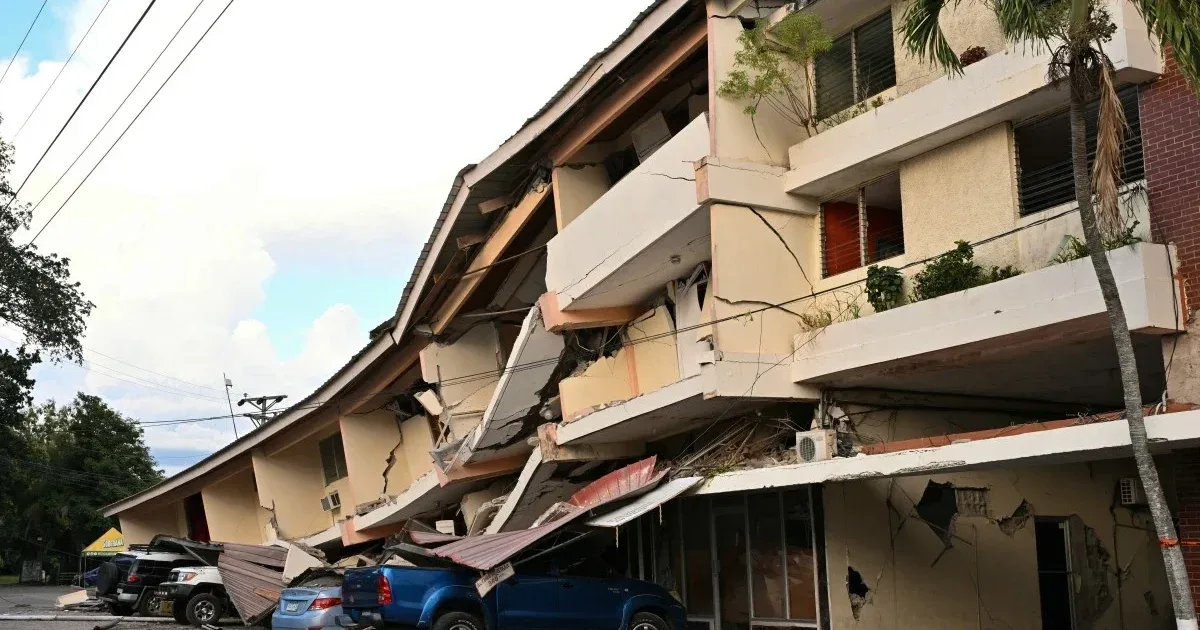
A powerful 7.7-magnitude earthquake struck Panama on Friday, October 9, 2026, damaging buildings and roads and leaving dozens of people injured, as authorities assessed the impact of the tremor across the Central American country.
The United States Geological Survey (USGS) recorded the earthquake at 17:56 UTC, with its epicentre about 12 kilometres west-southwest of Pitaloza Arriba in Panama. The quake occurred at a relatively shallow depth of 12.6 kilometres, increasing the potential for strong shaking in nearby communities. The USGS initially reported a higher magnitude before settling on 7.7.
The tremor was felt across large parts of the country, including Panama City, where people hurried out of office buildings and high-rise structures as the shaking continued. Residents reported being frightened by the intensity and duration of the movement, while videos circulating online showed water spilling from a rooftop swimming pool and a bridge over the Panama Canal shaking during the earthquake.
Initial reports from emergency authorities put the number of people injured at at least 27, with no deaths confirmed at the time of the early assessments. Officials continued to examine damaged buildings and infrastructure as aftershocks followed the main earthquake.
Central provinces, including Herrera, Coclé and Los Santos, were among the areas reporting significant damage. Some buildings suffered structural failures, while roads in affected communities were damaged or became difficult to use. Authorities also reported access challenges in parts of the country, prompting efforts to determine how emergency teams could reach isolated communities.
Panamanian President José Raúl Mulino described the situation as a major emergency and travelled to Penonomé to coordinate the response. Government agencies were mobilised to assess damage and assist affected residents.
The earthquake also triggered evacuations in the capital, where office workers and residents moved outside as a precaution. Tocumen International Airport temporarily suspended operations, and some flights were diverted while aviation officials assessed the situation. Operations subsequently resumed, while the Panama Canal Authority said shipping through the canal remained unaffected.
A tsunami warning was issued for parts of the eastern Pacific following the earthquake but was later lifted. Authorities continued monitoring seismic activity after numerous aftershocks were recorded, including at least one tremor measuring above magnitude 6, according to early reports.
The United States also expressed concern over the situation. Secretary of State Marco Rubio said Washington was monitoring developments and was prepared to mobilise assistance at the request of the Panamanian government. Leaders in other Latin American countries sent messages of solidarity and offered support.
The earthquake was particularly notable because Panama experiences fewer major earthquakes than some neighbouring countries along the Pacific coast. However, the region remains vulnerable to seismic activity because of the movement and interaction of tectonic plates.
Authorities urged residents to follow official safety instructions as inspections continued, warning that damaged buildings and further aftershocks could pose additional risks. The full scale of the damage was still being assessed, and early casualty figures remained subject to revision.
Reporting by TalkNaijaMedia





Reader Comments (0)
No comments yet. Be the first to share your perspective on this report.