

Civil society organisations have called for stronger measures against vote-buying and other electoral offences as Nigeria prepares for the 2027 general elections.
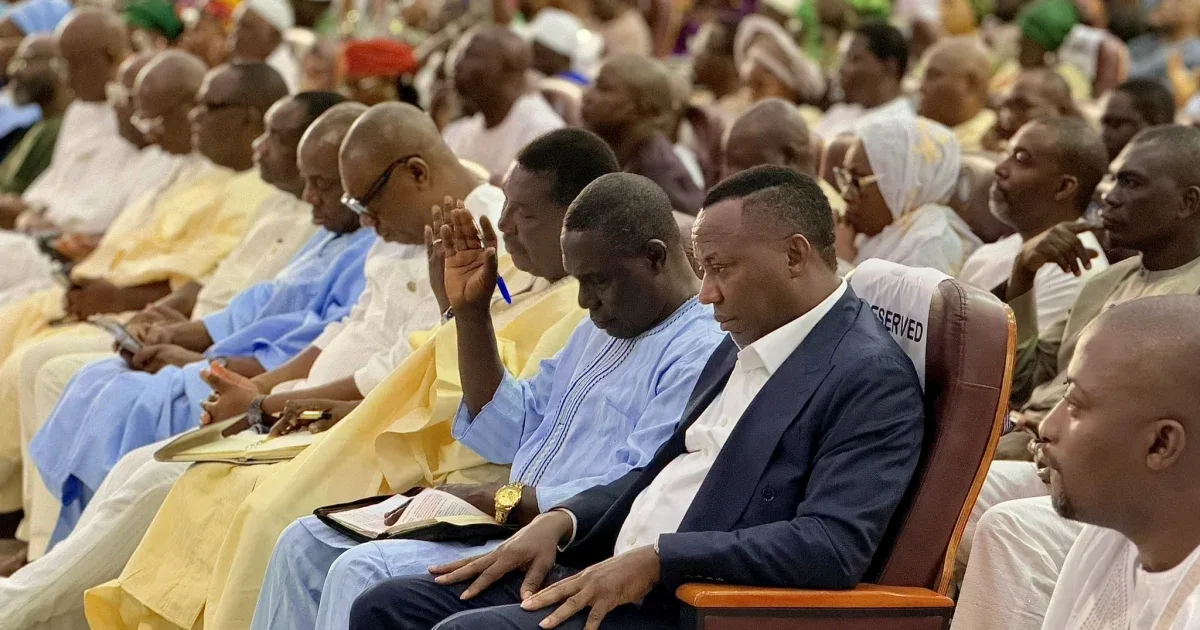
The call was made during the 2026 National CSOs Summit in Abuja, where representatives of organisations working on democracy, governance and electoral participation raised concerns about the effectiveness of existing efforts to deter vote-buying.
Participants argued that repeated reports of electoral offences would continue to undermine public confidence unless investigations are followed by prosecution and, where appropriate, convictions under the law.
The Executive Director of the Value Rebirth and Empowerment Initiative, Pastor Edewor Egedegbe, said credible elections require citizens who understand the electoral process and are able to participate without fear or intimidation.
He also raised concerns about funding and preparations for the Independent National Electoral Commission, urging the commission to ensure that resources needed for electoral preparations are available on time.
INEC has itself repeatedly identified voter education as an important part of preparations for the 2027 elections. In February 2026, INEC Chairman Professor Joash Amupitan called on political parties and other stakeholders to intensify voter education and mobilisation, while warning against vote-buying.
The commission's official voter-education platform also provides information on voter registration, voting procedures, voter rights and election-day requirements.
Speaking at the summit, the Executive Director of the Peering Advocacy and Advancement Center in Africa, Chief Ezenwa Nwagwu, stressed the importance of citizens obtaining their Permanent Voter Cards and participating actively in elections.
Nwagwu argued that voters should understand the long-term importance of their participation rather than treating their votes as commodities that can be exchanged for money or other immediate benefits.
He linked the persistence of vote-buying to economic hardship and urged citizens to recognise their role in determining who represents them at different levels of government.
His comments come against the backdrop of concerns repeatedly raised by election stakeholders about the influence of financial inducements on Nigeria's electoral process. INEC has described vote-buying as a violation of electoral law and has called on security agencies and political actors to help prevent the practice.
The summit also focused on the role of government and civil society in strengthening democratic participation.
Representing President Bola Tinubu at the gathering, Secretary to the Government of the Federation George Akume said the Federal Government had approved the establishment of a quarterly civil society policy dialogue forum.
According to Akume, the proposed platform would provide a structured channel through which civil society organisations could engage government on policy formulation, implementation and evaluation.
He also said the government was committed to expanding civic space and working with accredited civil society groups on areas including public-finance transparency, budget monitoring and oversight of humanitarian and grassroots interventions.
The proposal is consistent with the administration's broader public statements supporting engagement with civil society and other stakeholders. In August, Akume said the Federal Government considered sustained engagement with civil society organisations, faith communities, traditional institutions, the private sector and citizens important to addressing national challenges.
National Convener of the CSOs Summit, Ambassador Kunle Yusuff, said the meeting was intended to bring different civil society organisations together to discuss challenges facing the country ahead of another election cycle.
Yusuff also proposed a partnership framework involving government, civil society and the private sector. He said such an arrangement could provide a mechanism for monitoring government policies, budgets and electoral commitments while improving the flow of information from communities to policymakers.
Nigeria's 2027 electoral preparations are already underway. INEC has released an official timetable for the elections and is responsible for conducting the presidential, National Assembly, governorship and State House of Assembly elections. The commission's current published calendar lists January 16, 2027 for the presidential/National Assembly elections and February 6, 2027 for governorship/State House of Assembly elections.
INEC has also continued to emphasise the importance of voter participation and an accurate voters' register. The commission has said it plans to undertake voter revalidation to strengthen the integrity of the register ahead of the 2027 elections.
For the civil society groups at the Abuja summit, tackling vote-buying will require more than appeals to voters. They called for effective enforcement of electoral laws, greater public awareness and stronger collaboration between government agencies, security bodies, election authorities and civil society.
As preparations for the 2027 elections continue, the effectiveness of those measures will depend on how consistently electoral offences are investigated and prosecuted, how well citizens are informed about their rights and responsibilities, and whether stakeholders can create an environment in which voters participate freely and safely.
Reporting by TalkNaijaMedia


Reader Comments (0)
No comments yet. Be the first to share your perspective on this report.