

In a statement, the congress said it supported the highway project but expressed concern that the reported shift towards the Ovia/Gelegele axis of Edo State could leave communities in the Ilaje area outside the main economic benefits expected from the infrastructure.
According to the UDC, the original proposal for the Ondo section was expected to pass through coastal settlements along the Mahin-Ugbo axis towards the Delta corridor. However, the group said information available to it indicated that the route being considered from the Oke-Upare/Oke-Ipare axis had moved further inland towards Edo State.
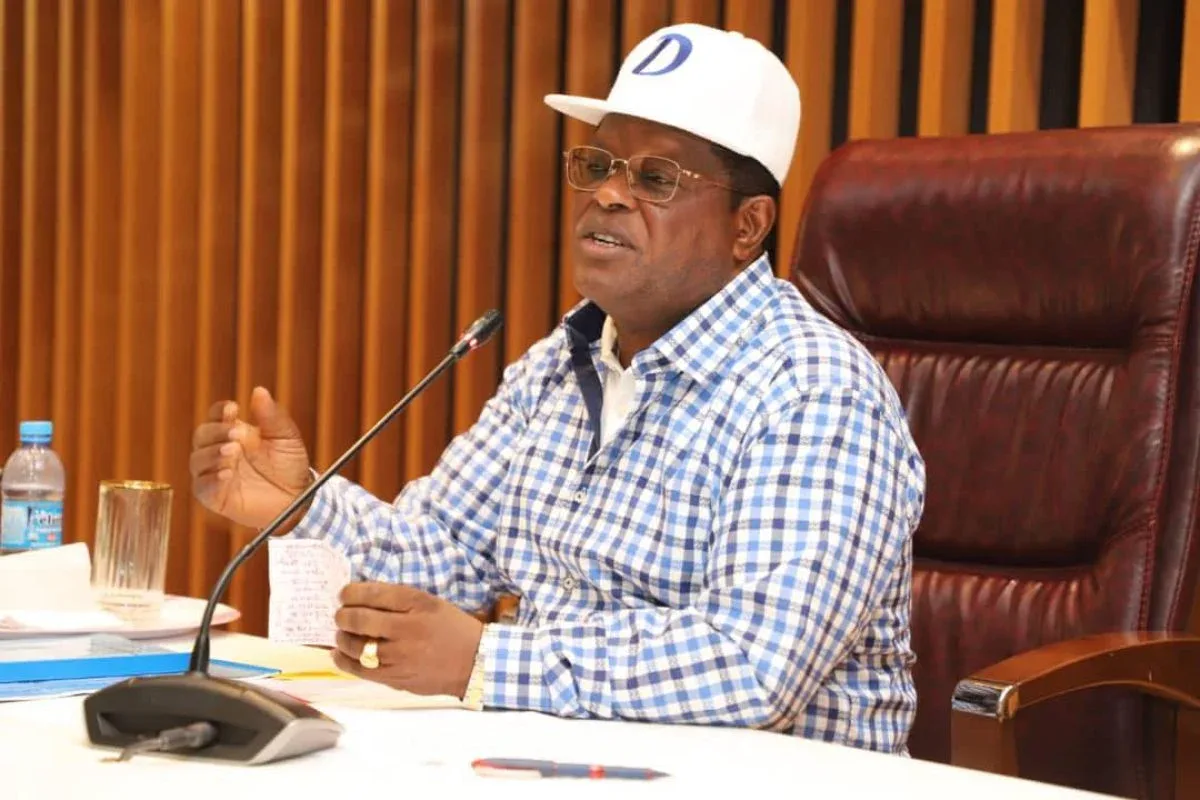
The congress acknowledged the Federal Government’s explanation that difficult terrain, deep weak soils, peat deposits and major water crossings posed engineering and financial challenges along the original corridor. It also noted that Works Minister David Umahi had cited the need to reduce major water crossings and improve the project's feasibility as reasons for redesigning sections of the route.
However, the UDC argued that the challenges should be assessed through a transparent comparison of both options, rather than being used as the sole basis for abandoning the original corridor.
The group called for the publication of maps and coordinates showing the original and revised routes, alongside the geological and geotechnical findings used to justify the reported realignment.
It also requested an independent assessment of construction costs per kilometre, overall project expenditure, long-term maintenance requirements, bridge construction, water crossings, land acquisition and environmental implications.
The congress further urged the authorities to investigate the availability of suitable sand and filling materials along the original coastal route and assess whether modern engineering techniques could make construction feasible in areas with weak soils.
Among the methods it proposed for consideration were preloading, prefabricated vertical drains, geotextiles, soil stabilisation, deep soil mixing, piling and reinforced embankments.
On the economic implications, the UDC argued that a highway serving the Ilaje coastal communities could improve access to markets and create opportunities in fisheries, aquaculture, oil and gas services, marine transportation, tourism and manufacturing.
It maintained that improved connectivity could attract private investment, support employment and stimulate economic activity in the area. Conversely, the congress warned that a route bypassing the communities could limit their access to some of the benefits anticipated from the project.
The organisation also called for meaningful consultations with affected communities and their representatives, as well as comprehensive environmental and socioeconomic assessments of both proposed corridors.
The UDC said it had received estimates suggesting that construction costs could differ significantly between the two routes. However, it stressed that the figures had not been independently verified and urged the government to release official cost comparisons so the public could assess the financial and long-term implications of each option.
It appealed to President Bola Ahmed Tinubu, the Minister of Works, the National Assembly, the Ondo State Government, relevant engineering and environmental agencies, and HITECH Construction Company to support an independent review.
The congress said the original Ilaje corridor should be retained or restored if an assessment finds it technically feasible, economically justified and environmentally manageable.
Describing its position as developmental, technical and economic rather than political or sectional, the UDC said the project should be implemented in a way that safeguards public funds and allows Ondo State’s coastal communities, particularly oil-bearing Ugboland, to benefit from improved infrastructure.
It maintained that the original route should not be permanently abandoned until credible engineering and economic evidence demonstrates that an alternative would deliver better overall value.




Reader Comments (0)
No comments yet. Be the first to share your perspective on this report.