

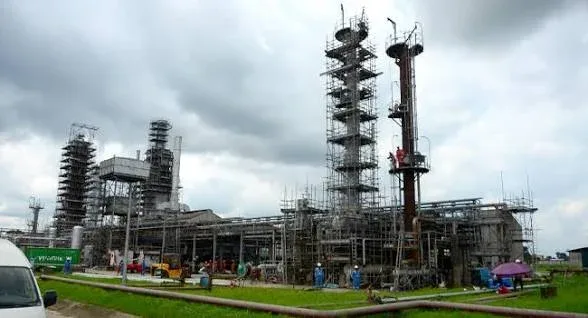
According to Maher-Bonnett, four modular refineries were operating in Nigeria as of September 2026, with a combined capacity of approximately 32,000 barrels per day.
He said the seven proposed facilities could add another 83,000 barrels per day to the country’s refining capacity if they commence operations as projected in 2027.
The anticipated additions would significantly increase the contribution of modular refineries to local petroleum production. However, the presentation did not identify the seven projects, their locations, individual capacities or specific commissioning dates. Their projected start-up should therefore not be interpreted as confirmation that all seven facilities are already completed or ready to operate.
Maher-Bonnett also highlighted the growing influence of the Dangote Petroleum Refinery on Nigeria’s fuel market, noting that increased domestic production was changing the country's dependence on imported petroleum products.
The presentation indicated that Nigeria’s fuel demand had declined during the period under review, attributing the development partly to higher pump prices. It also identified the expansion of Dangote Refinery’s operations as a major factor supporting improved domestic supply.
The analyst further observed that increased local refining was affecting the economics of importing petroleum products from Europe into West Africa, with shipping costs adding pressure to the competitiveness of international supply routes.
Developments in Ghana’s refining sector also featured in the presentation. The 45,000-barrel-per-day Tema refinery was identified as another facility whose increasing production could strengthen domestic supply and reduce the country’s dependence on imported petroleum products.
The projected expansion of Nigeria’s modular refining capacity comes as the country continues efforts to strengthen local petroleum production, improve supply security and reduce exposure to fluctuations in international fuel markets.
However, the success of the expected expansion will depend on the ability of project developers to complete construction, secure adequate crude oil supplies, obtain necessary regulatory approvals and maintain reliable operations.
If delivered, the additional capacity could increase competition among domestic refiners and further reshape Nigeria’s position in the West African petroleum products market.
Reporting by TalkNaijaMedia





Reader Comments (0)
No comments yet. Be the first to share your perspective on this report.