

In a statement signed by its Convener, Morris Victor, SERN said the success of the military campaign under the leadership of the Chief of Defence Staff, General Olufemi Oluyede, would depend partly on cooperation between security agencies and host communities.
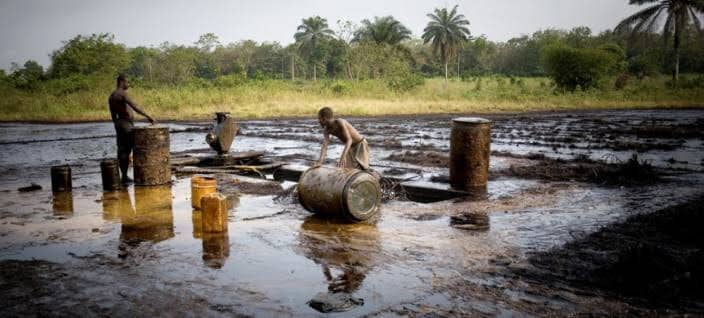
The organisation warned that illegal oil activities were associated with pollution of rivers and groundwater, damage to mangrove forests, contamination of farmland and declining fish stocks. It said these consequences could undermine public health, food security and the economic wellbeing of communities that depend on fishing and agriculture.
To illustrate the scale of the problem, SERN referred to figures released by the Defence Headquarters on October 30, 2026. The military disclosed that troops had dismantled 49 illegal refining sites and recovered 756,837 litres of petroleum products during operations against crude oil theft in the South-South region.
The group also cited the Nigerian Navy's operational report covering activities between November 2025 and November 2026. According to the Navy, its operations resulted in the recovery of more than 7.48 million litres of stolen crude oil and illegally refined petroleum products, the deactivation of 168 illegal refining sites, the destruction of 363 dugout pits and the arrest of 259 suspects.
SERN said the figures demonstrated the continuing scale of illegal oil activities and the importance of sustained efforts involving security agencies, community leaders and residents.
The organisation urged traditional rulers, youth groups, women organisations, religious leaders and community development associations to reject involvement in oil theft and support efforts to protect the region's natural resources.
It also called for stronger cooperation between communities and security agencies, alongside professionalism and respect for human rights during enforcement operations.
Beyond security measures, SERN urged the Federal Government and relevant environmental agencies to intensify the clean-up of polluted areas, restore damaged ecosystems and expand alternative livelihood opportunities for young people in oil-producing communities.
According to the organisation, tackling crude oil theft should not end with arrests and the closure of illegal refining sites. It should also involve environmental rehabilitation, community development and economic opportunities capable of addressing some of the conditions that allow criminal networks to thrive.
The group maintained that protecting the Niger Delta requires a shared commitment from government institutions, security agencies and residents, stressing that the region's rivers, farmlands, forests and fishing resources must be preserved for future generations.
Reporting by TalkNaijaMedia



Reader Comments (0)
No comments yet. Be the first to share your perspective on this report.