

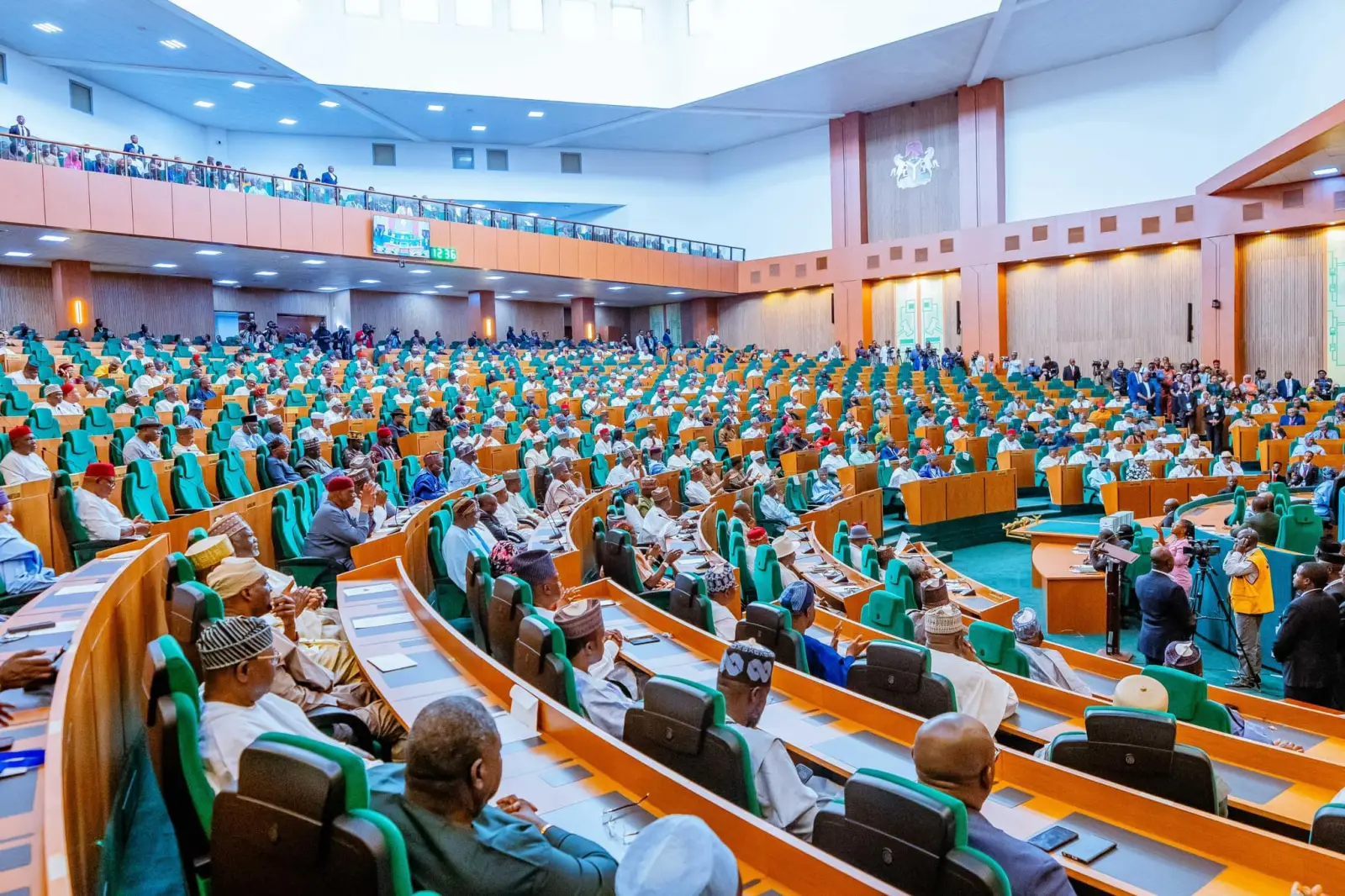
The lawmaker described child marriage as a serious human rights and public health concern that limits girls’ ability to complete their education, access healthcare and participate fully in society. She warned that girls married before reaching adulthood face increased risks associated with early pregnancy, maternal and newborn health complications, gender-based violence and long-term economic disadvantage.
According to Ogbara, ending the practice requires more than legislation. Governments must also address the social and economic conditions that leave vulnerable girls exposed to early marriage, including poverty, limited educational opportunities and inadequate access to essential services.
She said the campaign theme, “End Child Marriage and Invest in the Girl Child,” emphasises the need for coordinated action to protect girls’ rights while expanding access to education, healthcare, skills development and other opportunities.
The lawmaker also highlighted Nigeria’s commitments under international agreements, including the United Nations Convention on the Rights of the Child, the Convention on the Elimination of All Forms of Discrimination Against Women and the African Charter on the Rights and Welfare of the Child. These frameworks call for the protection of children from exploitation, harmful practices and discrimination.
Following the debate, the House urged the Federal Ministry of Women Affairs to collaborate with the ministries responsible for education, health, social welfare and justice, alongside relevant agencies, to strengthen programmes aimed at preventing child marriage and supporting girls at risk.
Lawmakers also called for closer cooperation among federal, state and local governments, traditional and religious leaders, parents, community organisations and development partners. The aim is to tackle the factors that contribute to early marriage while improving access to education, healthcare and other essential services.
To strengthen oversight, the House mandated its committees on Women Affairs and Social Development, Education, Health, Human Rights, and Justice to engage relevant ministries, departments and agencies, civil society organisations and development partners.
The committees are expected to review existing interventions, identify weaknesses in implementation and recommend legislative and budgetary measures that could improve efforts to end child marriage and promote the welfare of girls. They are to submit their findings and recommendations to the House within four weeks.
The resolution reinforces the National Assembly’s role in strengthening child-protection legislation, supporting effective policies and ensuring that government budgets provide resources for programmes that protect children and advance the development of Nigerian girls.
Although the Child Rights Act provides an important legal framework, its impact depends on effective implementation and enforcement. The House’s latest call places renewed emphasis on translating legal protections into practical support for girls and families across the country.
Reporting by TalkNaijaMedia




Reader Comments (0)
No comments yet. Be the first to share your perspective on this report.