

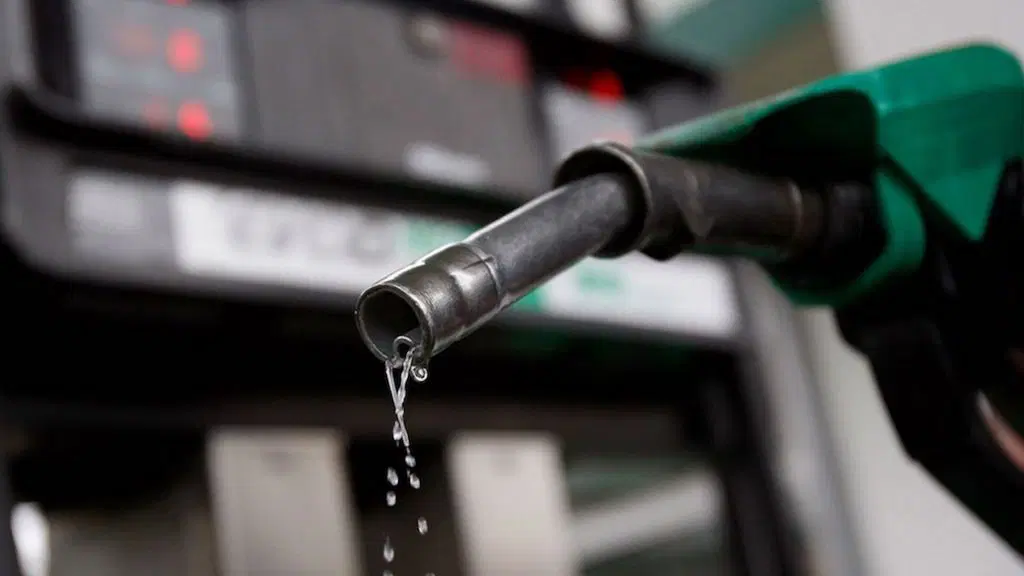
An NNPC Retail station in Azhata, Jikwoyi District, reportedly increased its price from ₦1,380 to ₦1,405 per litre, while an MRS outlet, which partners with Dangote Refinery, moved its price from ₦1,370 to ₦1,405 per litre.
The increases came as the Federal Government sought to ease the impact of rising international oil prices on Nigerian households and businesses.
NNPC had announced that its ₦66-per-litre petrol discount would continue until October 31, 2026. The reduction was initially introduced on October 1 to mark Nigeria’s 66th Independence Anniversary.
However, the discount is not automatically reflected in the pump price for every customer. Reports from Abuja indicate that motorists paying through the NNPC mobile application could purchase petrol at ₦1,339 per litre when the standard pump price was ₦1,405. Customers paying directly at the pump were still charged the prevailing price.
The Federal Government has said the arrangement is being funded through NNPC Retail’s decision to reduce or forgo its retail profit margin, rather than through direct government payments. Both NNPC and Finance Minister Taiwo Oyedele have stressed that the initiative does not represent a return to the former petrol subsidy regime.
Prices in Lagos varied by location. Some filling stations in Ikorodu and other areas reportedly sold petrol at about ₦1,360 per litre, while outlets in Coker, Orile and Second Rainbow charged around ₦1,350. Other independent marketers sold the product at prices ranging from ₦1,360 to ₦1,400 per litre.
The latest increases reflect continued pressure on domestic fuel prices amid elevated international crude oil prices associated with tensions in the Middle East. Pump prices can vary between retailers because the discount applies specifically to NNPC Retail outlets and does not establish a uniform price nationwide.
In its October 9 statement, NNPC said the discount was intended to offer temporary relief to consumers facing higher transportation and operating costs. The company also said it would continue working with the government and other industry stakeholders to support reliable fuel supply and communicate its pricing initiatives clearly.
The development highlights the limits of a retailer-specific discount in a market where other filling stations set prices according to their own costs and commercial decisions. For consumers, the benefit depends on the outlet used and, at participating NNPC stations, whether the required digital payment conditions are met.
Reporting by TalkNaijaMedia



Reader Comments (0)
No comments yet. Be the first to share your perspective on this report.