

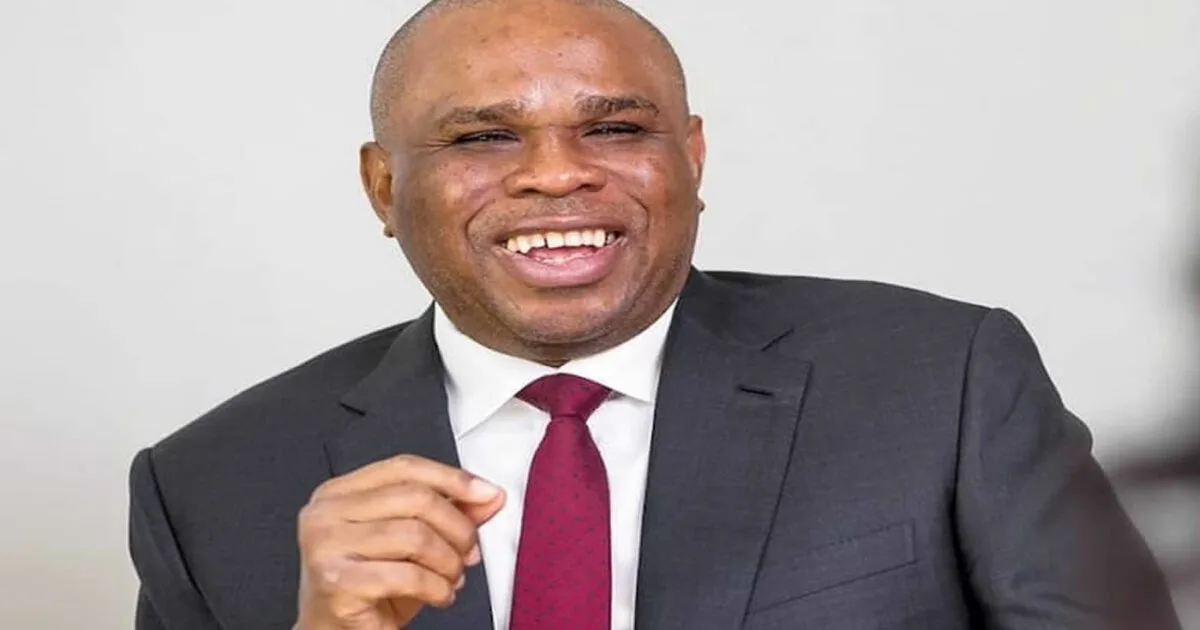
Speaking on the theme, “Beyond Survival: Global Shocks, the Information Age and Africa’s Opportunity to Leapfrog,” he argued that Africa must strengthen its financial institutions, retain more capital within the continent and build regional systems capable of responding to economic disruptions.
He pointed to the experience of Asian economies following the 1997–1998 financial crisis, particularly the establishment of the Chiang Mai Initiative by ASEAN countries, China, Japan and South Korea.
The regional financial arrangement was designed to provide participating countries with support during foreign exchange shortages and balance-of-payments difficulties. Its multilateralised framework, which became operational in 2010, has since grown to a financing capacity of $240bn.
Oramah said African countries should draw lessons from the Asian experience by developing similar regional support mechanisms and strengthening cooperation among their financial institutions.
He argued that Africa should not automatically turn to external financial institutions whenever economic difficulties arise, but should first explore the capacity of its own institutions and resources.
The former Afreximbank president also raised concerns about the management of Africa’s foreign exchange reserves, estimating their combined value at between $350bn and $500bn. He said a significant portion of the funds was held outside the continent, even as African governments and businesses continued to face difficulties accessing financing.
According to him, African countries should reconsider the practice of keeping substantial financial resources in foreign banks while struggling to obtain credit from those same institutions.
He maintained that retaining and controlling more of the continent’s capital would strengthen its ability to finance infrastructure, industrial development and other economic priorities.
Oramah further stressed the importance of building stronger African-owned financial institutions, arguing that local banks must demonstrate a willingness to finance businesses and major development projects across the continent.
He cited the role played by Access Bank, Zenith Bank, Afreximbank and the Africa Finance Corporation in supporting the Dangote Refinery as an example of how African financial institutions could work together to finance large-scale industrial investments.
On regional trade, he highlighted the Pan-African Payment and Settlement System (PAPSS), which enables participating African countries to make cross-border payments in their local currencies without relying entirely on conventional foreign currency settlement channels.
The payment platform has expanded to more than 30 countries, connecting 24 national and regional central banks, over 200 commercial banks and fintechs, according to its latest published network figures.
Oramah said stronger adoption of local currencies in intra-African trade would help reduce dependence on external payment systems and improve the continent’s financial independence.
He also urged African governments to pay greater attention to the opportunities emerging from artificial intelligence, robotics and advanced computing.
According to him, Africa possesses several critical minerals required by the global technology industry but risks losing the economic benefits if it continues to export raw materials without developing local processing and manufacturing capacity.
He called for increased investment in electricity generation and supporting infrastructure, noting that reliable power supply would be essential for developing data centres, technology parks and other facilities needed to participate meaningfully in the digital economy.
Oramah also urged Nigeria to take a leading role in implementing the African Continental Free Trade Area’s digital trade protocol.
He said the framework presented opportunities for African countries to establish clearer rules on cross-border data movement, taxation, data sovereignty and the protection of digital resources.
The former Afreximbank chief warned that Africa could miss another major global economic opportunity if it failed to prepare for the changes taking place in technology, international trade and global production.
He said the information age offered the continent an opportunity to correct some of the weaknesses that prevented it from benefiting fully from previous waves of globalisation.
Chairman of the lecture, Bola Adesola, who is also Chairman of Ecobank Nigeria, said global developments were increasingly affecting African businesses, households and governments.
She explained that geopolitical conflicts, changing trade policies and disruptions to international supply chains could quickly translate into higher energy costs, inflation and pressure on businesses in countries such as Nigeria.
Adesola said Africa needed to move beyond simply reacting to external developments and focus on building resilient economies capable of turning global disruptions into opportunities.
She also emphasised the importance of leadership, policy consistency, investment in people and the willingness to address structural weaknesses.
In his remarks, AELEX partner, Professor Fubara Anga (SAN), called on state and local governments to sustain policies that encourage investment and economic development within their jurisdictions.
The lecture brought together business leaders, policymakers, legal practitioners and other stakeholders to discuss how African economies could respond to global economic changes and position themselves for sustainable growth.
Reporting by TalkNaijaMedia

Reader Comments (0)
No comments yet. Be the first to share your perspective on this report.