

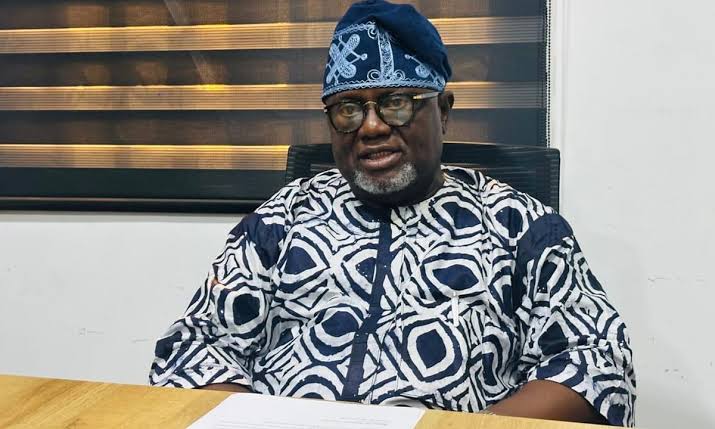
The energy expert disclosed that illegal petroleum product diversion, popularly known among criminal networks as "truck parties", involved tanker drivers collaborating with criminal elements in host communities to siphon and compromise products being transported to their destinations.
He explained that despite the deployment of tracking and monitoring systems by his company to protect its petroleum distribution operations, criminal activities along major highways continued to pose serious risks to businesses, consumers and the wider society.
Luwoye identified the Ogere corridor, the Ijebu-Ode route used for petroleum products transported towards northern destinations and the Ore axis as some of the areas where illegal activities were reportedly taking place.
He particularly expressed concern about the route used for moving petroleum products from the Dangote Refinery towards the eastern and central parts of the South-West.
According to him, the activities have continued partly because of a lack of adequate reporting and cooperation between communities, transport unions and relevant government authorities.
He alleged that residents in some affected communities were aware of the illegal operations but that information was not always communicated to the appropriate authorities.
The oil and gas expert also accused some transport unions of shielding members reported for involvement in petroleum-related offences, thereby making it difficult to tackle the problem effectively.
He called for greater cooperation among community leaders, security agencies, transport associations and regulatory authorities to expose those involved and prevent further economic losses.
Beyond petroleum product diversion, Luwoye raised concerns about the safety of Liquefied Petroleum Gas (LPG) cylinders used in Nigerian homes, warning that expired, damaged or poorly maintained cylinders could cause serious domestic accidents.
He observed that some households continue using old gas cylinders simply because they appear physically sound or have been freshly repainted.
According to him, the external appearance of a cylinder does not necessarily establish that it is safe for continued use, stressing the importance of proper inspection, testing and revalidation.
He compared the practice to operating a vehicle with expired tyres simply because they have not yet failed, warning that neglecting safety checks could expose households to avoidable dangers.
To address the situation, Luwoye called on the Standards Organisation of Nigeria (SON) to license and support qualified private operators interested in establishing local facilities for cylinder revalidation, calibration and pressure testing.
He argued that expanding local testing infrastructure would make it easier for Nigerians to access essential safety services while reducing dependence on expensive arrangements and improving the standard of domestic gas equipment.
However, he expressed concern over what he described as regulatory bottlenecks, high import duties and delays at Nigerian ports, which he said could discourage investments in safety-related infrastructure.
He specifically mentioned multiple regulatory charges involving agencies such as SON and environmental regulatory authorities, as well as prolonged cargo clearance periods.
Luwoye maintained that reducing unnecessary administrative barriers would encourage more private-sector investment in facilities capable of improving LPG safety across the country.
He also advised households to pay closer attention to gas accessories, explaining that damaged or poorly maintained hoses, regulators and burners could contribute to domestic gas leaks.
He recommended regular inspection and timely replacement of worn-out accessories, suggesting that households consider replacing gas hoses and burners annually where necessary.
Earlier, the Chairman of the NUJ Correspondents' Chapel in Ogun State, Comrade Yetunde Fatungase, explained that the visit was organised to familiarise members with Ecogas Energy Resources Limited and acknowledge its contributions to the energy sector.
She added that the engagement was also intended to identify opportunities for collaboration, particularly in promoting public awareness, responsible energy practices and economic development.
The concerns raised by Luwoye highlight the need for stronger monitoring of petroleum distribution networks and improved safety awareness among Nigerian households, particularly as LPG remains an important source of domestic cooking energy.
Reporting by TalkNaijaMedia

Reader Comments (0)
No comments yet. Be the first to share your perspective on this report.