

Akinyemi described the installation as an unauthorised petroleum processing facility, stressing that it did not have approval from any recognised regulatory agency. He said the inspection revealed underground storage facilities, locally fabricated equipment and other installations believed to have been used for the illegal operation.
The NMDPRA coordinator cautioned against identifying the recovered petroleum substances as diesel, also known as Automotive Gas Oil, without laboratory confirmation.
According to him, the products would have to undergo proper testing to establish their actual composition. He warned that distributing unverified petroleum products could pose risks to vehicles and their engines.
Akinyemi added that the recovered materials had been seized and placed under the custody of the Federal Government pending laboratory analysis and further regulatory action.
He assured residents that the authority would continue working with law enforcement agencies to identify and shut down illegal petroleum operations in Ogun State.
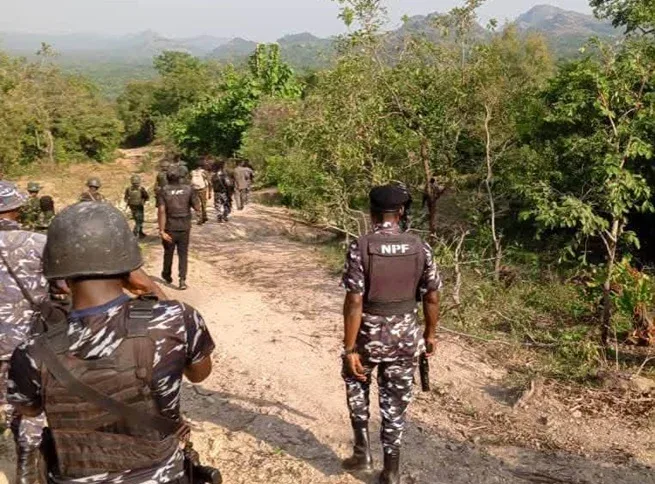
Speaking during the inspection, EFCC Zonal Director, Lagos Zonal Directorate 2, Bawa Usman Kaltungo, said the commission uncovered the facility after receiving information from a Nigerian whistleblower.
He explained that the commission first conducted surveillance to verify the information before carrying out an operation that led to the discovery.
Kaltungo said the intelligence followed a public appeal by EFCC Executive Chairman Ola Olukoyede, who had encouraged Nigerians to report suspicious activities through the commission’s whistleblowing channels.
The EFCC official also disclosed that investigators were examining the ownership structure of companies allegedly connected to the operation, including possible links to beneficial owners based in China.
He raised concerns about the immigration status of some foreign nationals encountered during the investigation, saying some reportedly could not produce passports, while others had expired visas. However, the circumstances and individual roles of those concerned remain subject to investigation.
Also speaking, EFCC Director of Proceeds of Crime Management, Gbolahan Latona, warned that illegal petroleum operations could undermine legitimate investments in the industry and deprive the country of government revenue.
Latona said the commission would pursue the recovery of assets established through investigations and legal proceedings to be proceeds of crime.
He cited the conversion of Nok University, following its forfeiture to the Federal Government, into the Federal University of Applied Sciences, Kachia, as an example of how recovered assets could be put to public use.
He added that the Ogun facility could also be considered for appropriate recovery and reuse, depending on the findings of the investigation and the outcome of the required legal processes.
The EFCC director further warned that individuals and interests allegedly financing illegal operations, including those based outside Nigeria, would also be investigated.
The commission said suspects would face prosecution if sufficient evidence was established against them.
The discovery has renewed concerns about illegal petroleum activities and the need for stronger cooperation between regulatory agencies and law enforcement authorities. Both agencies say investigations are continuing to establish the full ownership, operation and financial interests behind the facility.
Reporting by TalkNaijaMedia


Reader Comments (0)
No comments yet. Be the first to share your perspective on this report.