

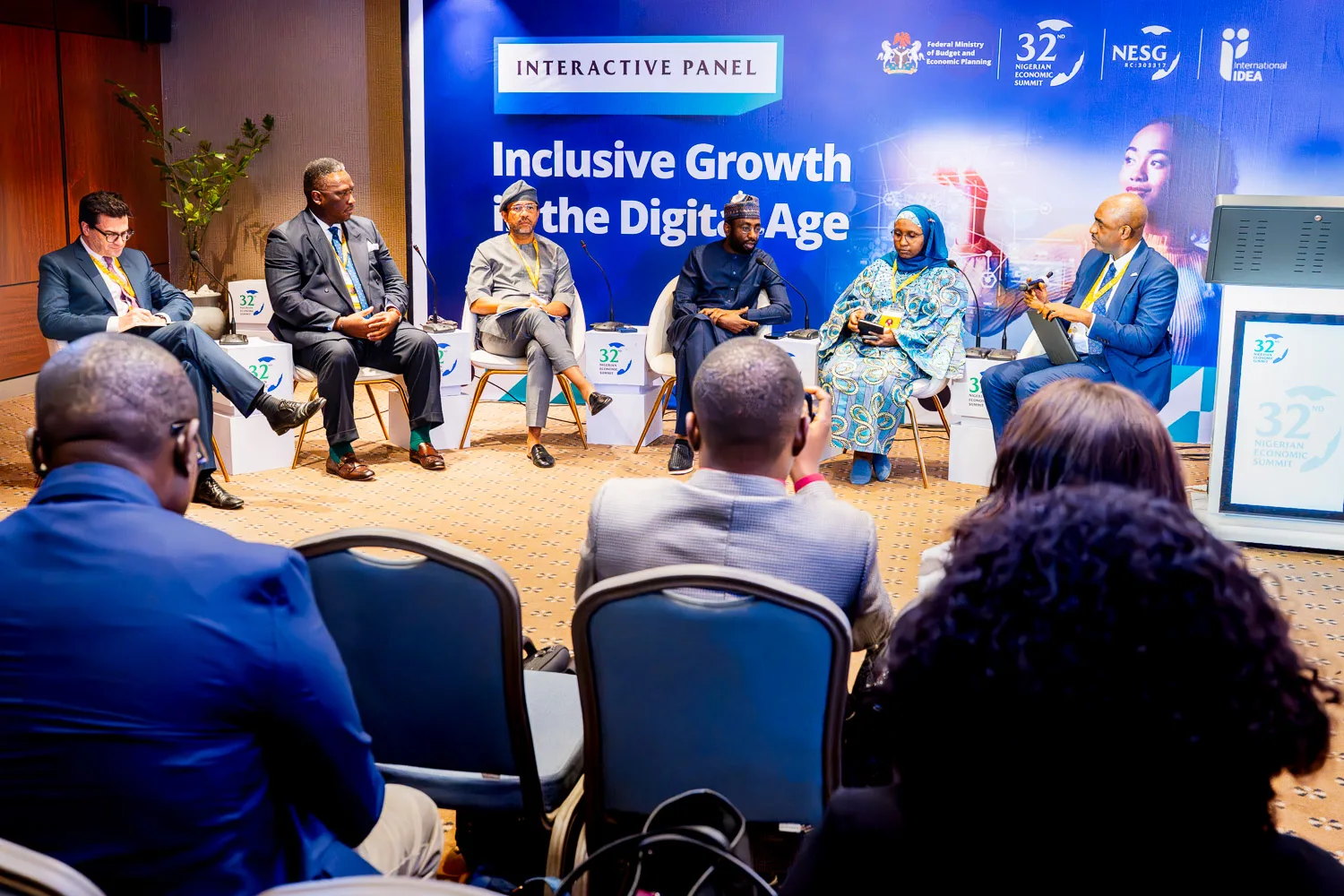
He argued that infrastructure development must go beyond conventional projects such as roads and railways, noting that the digital economy also depends on reliable connectivity and networks capable of moving data across the country.
According to him, Nigeria needs to develop digital highways that will support communication, business activities, public services and the growing use of advanced technologies.
Reflecting on the development of the telecommunications industry since 2000, Inuwa said early investors had expressed doubts about the ability of many Africans to afford mobile phones. However, innovation in service delivery and infrastructure development helped expand access and transform the sector.
He maintained that similar approaches were needed to make internet services more affordable and extend connectivity to rural and underserved communities.
The NITDA chief also highlighted the growing importance of digital visibility as artificial intelligence becomes increasingly involved in decision-making and service delivery. He warned that communities without adequate digital representation risk having their languages, cultures and needs overlooked by emerging technologies.
Inuwa said the Federal Government was pursuing initiatives to address connectivity gaps, including the Universal Service Provision Fund (USPF) and Project BRIDGE.
The USPF supports the expansion of telecommunications services to underserved and unserved communities, while Project BRIDGE is designed to deploy a nationwide fibre-optic network to strengthen broadband connectivity.
The Federal Ministry of Communications, Innovation and Digital Economy has outlined a target of deploying approximately 90,000 kilometres of fibre-optic infrastructure across Nigeria under Project BRIDGE. The initiative is structured around public-private sector participation and open-access infrastructure intended to improve broadband availability and affordability.
Inuwa said expanding the country's digital infrastructure would also require investment in data centres, computing capacity and artificial intelligence facilities as Nigeria develops its ambitions in the technology sector.
He described affordability and connectivity as closely linked, explaining that wider access to digital services could improve productivity, create business opportunities and increase incomes, making it easier for more people to afford internet services.
He urged telecommunications operators, government institutions and private investors to work together to extend connectivity to communities that remain underserved.
Beyond business and economic activities, Inuwa said digital infrastructure could improve the delivery of public services by reducing the need for citizens to visit multiple government offices to access essential services.
He explained that technology could make services relating to birth registration, healthcare, education, employment, business registration, marriage and property ownership more accessible.
According to him, a properly connected digital public service system would reduce administrative costs, improve efficiency and make government institutions more responsive to citizens.
Inuwa stressed that closing the digital divide would require sustained investment, stronger public-private collaboration and policies that ensure technological development benefits people across different communities.
He reiterated that inclusive digital growth must place affordable connectivity, digital skills and access to emerging technologies at the centre of Nigeria’s development agenda.
Reporting by TalkNaijaMedia




Reader Comments (0)
No comments yet. Be the first to share your perspective on this report.