

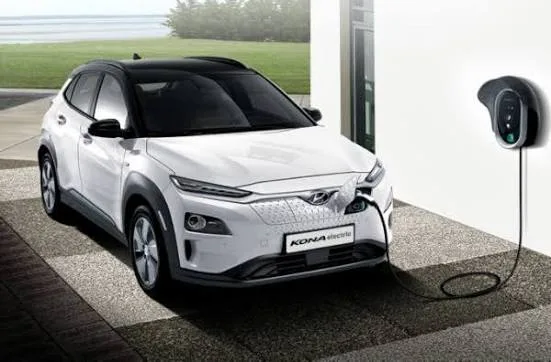
Their concerns come as the Federal Government continues to promote electric mobility through policies intended to encourage EV adoption, local assembly and investment in manufacturing.
Chairman of The ROXETTES Group and ROXETTES Eco-Drives Ltd, Dr Kaycee Orji-Kelechi, called on commercial banks to improve the process of providing foreign exchange to legitimate businesses importing electric vehicles and essential components.
He urged financial institutions to make access to foreign currency through the official market more efficient and reduce unnecessary delays in processing business transactions.
Another industry operator, Kelvin Adelakun, also called for measures to improve access to foreign exchange and reduce the gap between official and parallel market rates.
However, Adelakun noted that forex access was not necessarily the biggest challenge facing local EV manufacturers. He also pointed to the differences in import-duty concessions available to foreign competitors and the high cost of financing in Nigeria.
He said local businesses had committed significant resources to assembly facilities and production capacity but continued to face operating expenses that made it difficult to compete with imported vehicles.
Vehicle importers are also experiencing difficulties, particularly when trying to secure foreign currency to settle payments with overseas suppliers.
Biodun Osabinu of Abuja-based Devex Autos said businesses with genuine vehicle orders could still struggle to obtain the dollars required to complete international transactions on time.
He explained that uncertainty over exchange rates and payment timelines forces importers to include additional costs in their pricing while leaving working capital tied up in inventory.
According to Osabinu, these pressures can eventually translate into higher prices for consumers and delays in the availability of vehicles and other products.
The issue is particularly relevant to the electric vehicle sector because much of the equipment and technology required for the industry, including batteries, electronic components, charging systems and specialised machinery, is sourced from abroad.
Beyond foreign-exchange difficulties, manufacturers say the cost of borrowing from Nigerian banks is another major obstacle to expanding local production.
Orji-Kelechi said interest rates on loans used to finance vehicle imports could approach 40%, significantly increasing the cost of doing business.
He argued that Nigerian manufacturers face a financing disadvantage compared with some foreign competitors who may have access to cheaper funding.
The situation, according to the industry operators, creates a difficult pricing environment for local businesses. Raising prices could make their products less attractive to consumers, while reducing prices could leave manufacturers struggling to cover production expenses and loan repayments.
The Federal Government announced import-duty waivers in April 2026 for electric vehicles, mass transit buses and manufacturing machinery as part of measures intended to support investment and reduce costs. The Nigeria Customs Service subsequently outlined the implementation of the 2026 fiscal policy measures.
Despite these incentives, industry operators are calling for a broader framework that also addresses the financing and operating challenges facing businesses involved in local assembly and manufacturing.
Orji-Kelechi identified access to affordable long-term financing, support for local assembly, technology transfer and investment in charging infrastructure as important requirements for developing a competitive electric vehicle industry.
He also called for greater attention to local production of vehicle components and manufacturing technologies, rather than relying mainly on imported finished vehicles.
Other challenges affecting the sector include inadequate charging infrastructure, unreliable electricity supply, high capital requirements and limited technical support.
For manufacturers and importers, improving access to foreign exchange, reducing financing costs and creating a more supportive environment for domestic production will be important to the future growth of Nigeria’s electric mobility market.
Reporting by TalkNaijaMedia





Reader Comments (0)
No comments yet. Be the first to share your perspective on this report.