
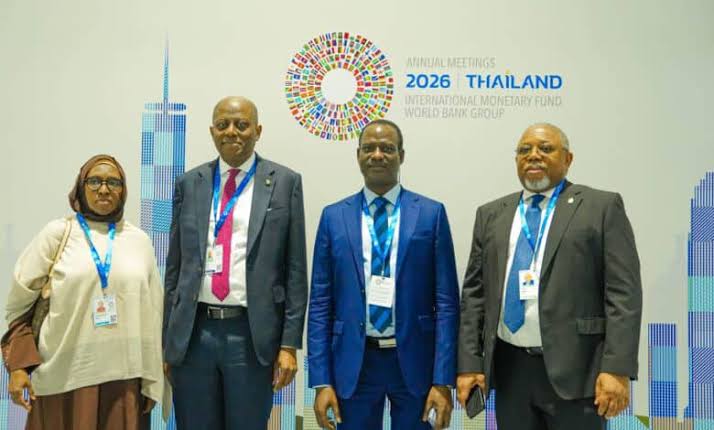
The meeting focused on Nigeria’s next stage of economic reforms, with particular attention to accelerating growth, attracting private capital and strengthening domestic revenue collection.
Banga reportedly commended Nigeria’s progress in attracting investment, highlighting an increase in private capital inflows from approximately $300 million in 2023 to nearly $6 billion in 2026. If sustained, the growth could strengthen Nigeria’s capacity to finance businesses and infrastructure projects through private-sector participation.
Oyedele also highlighted an improvement in the country’s tax-to-gross domestic product (GDP) ratio, which reportedly increased from around 7 per cent to 12.5 per cent. A higher ratio can improve the government’s ability to finance public services and infrastructure through revenue collection, reducing pressure to depend heavily on borrowing or monetary financing.
A key issue at the meeting was how Nigeria could make greater use of World Bank guarantee instruments to unlock additional funding for major infrastructure projects. Such guarantees can reduce some of the risks faced by lenders and investors, potentially making projects more attractive to private financiers.
The approach could help Nigeria address its infrastructure funding needs without requiring the government to shoulder the entire cost through public funds. However, the extent of the benefits will depend on the projects selected, the terms of the guarantees and the willingness of private investors to participate.
Power infrastructure and human capital development were identified as priority areas for continued investment. Reliable electricity, improved infrastructure and a more skilled workforce are important to business productivity, economic competitiveness and job creation.
The officials also stressed the importance of improving the quality of government expenditure, ensuring that public spending delivers measurable economic and social benefits. This means directing available resources towards projects and programmes capable of expanding productive activity and improving citizens’ welfare.
Nigeria’s challenge is now to ensure that stronger economic indicators translate into sustained investment, business expansion and inclusive growth. While increased capital inflows and improved revenue mobilisation can strengthen the economy, businesses still require dependable electricity, efficient infrastructure and a stable environment in which to operate.
The engagement with the World Bank forms part of the Federal Government’s broader discussions with international development partners during the annual meetings. Nigeria is seeking financing arrangements that can help consolidate its reform efforts and support investment in productive sectors.
For the government, the next phase will involve moving beyond economic stabilisation towards growth that creates employment and improves living standards across the country. Mobilising private financing, strengthening public spending and investing in infrastructure and human capital are expected to remain central to that effort.
Reporting by TalkNaijaMedia

Reader Comments (0)
No comments yet. Be the first to share your perspective on this report.