

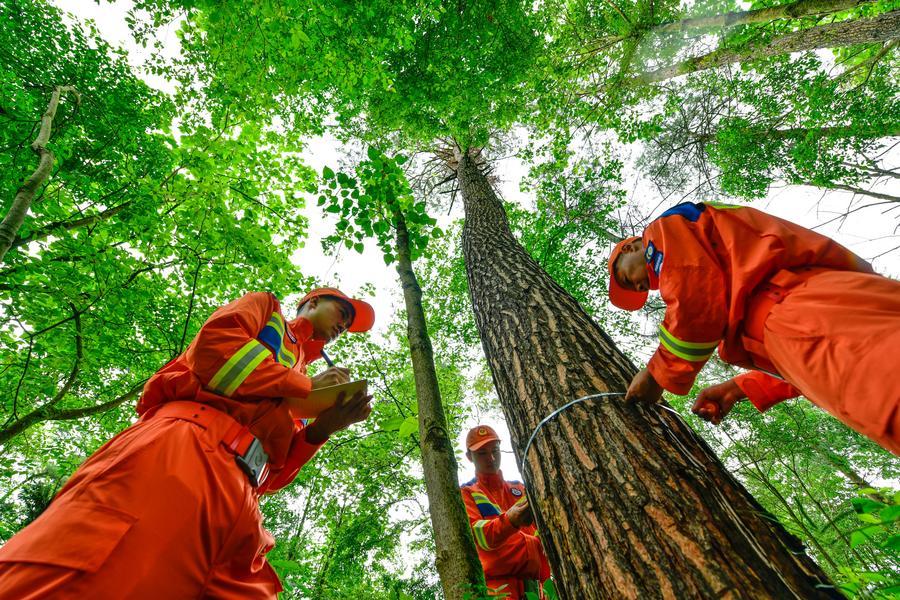
The conference, held from October 19 to 30, 2026, was organised under the theme, “Taking Action for Nature,” and brought together government representatives, environmental organisations and other stakeholders to discuss strategies for tackling biodiversity loss and strengthening conservation efforts.
Countries represented at the regional consultation included Nigeria, Côte d’Ivoire, Sierra Leone, Guinea-Bissau, Benin Republic and Togo.
Lawal said African countries were increasingly relying on regional partnerships and multi-country coalitions to address shared environmental challenges, protect natural resources and improve access to funding for conservation projects.
He explained that the collaboration would provide participating countries with opportunities to exchange experiences, strengthen partnerships and develop a coordinated approach to protecting forests and wildlife, restoring damaged ecosystems and promoting sustainable financing.
According to the minister, the discussions also focused on mobilising resources, improving cross-border cooperation and encouraging community-led conservation initiatives.
He stressed that environmental protection required more than political commitments, noting the importance of long-term funding, effective monitoring, strong governance and meaningful participation by local communities.
Lawal added that Nigeria’s involvement in the regional initiative reflected its commitment to biodiversity protection, ecosystem restoration and international environmental cooperation. He also highlighted opportunities to strengthen national conservation programmes, including those implemented through the National Agency for the Great Green Wall (NAGGW).
The minister maintained that protecting biodiversity would require sustained investment and inclusive partnerships, rather than relying solely on the designation of protected areas.
Also speaking, the Director-General of NAGGW, Saleh Abubakar, reaffirmed Nigeria’s commitment to global biodiversity conservation and sustainable financing.
Abubakar said discussions at the consultation examined ways to attract public and philanthropic funding, expand international partnerships, support community-driven conservation and improve the sustainable management of protected areas.
The regional collaboration is expected to provide a stronger platform for African countries to coordinate conservation priorities and pursue practical solutions to environmental challenges affecting the Guinean Forest Biome.

Reader Comments (0)
No comments yet. Be the first to share your perspective on this report.