

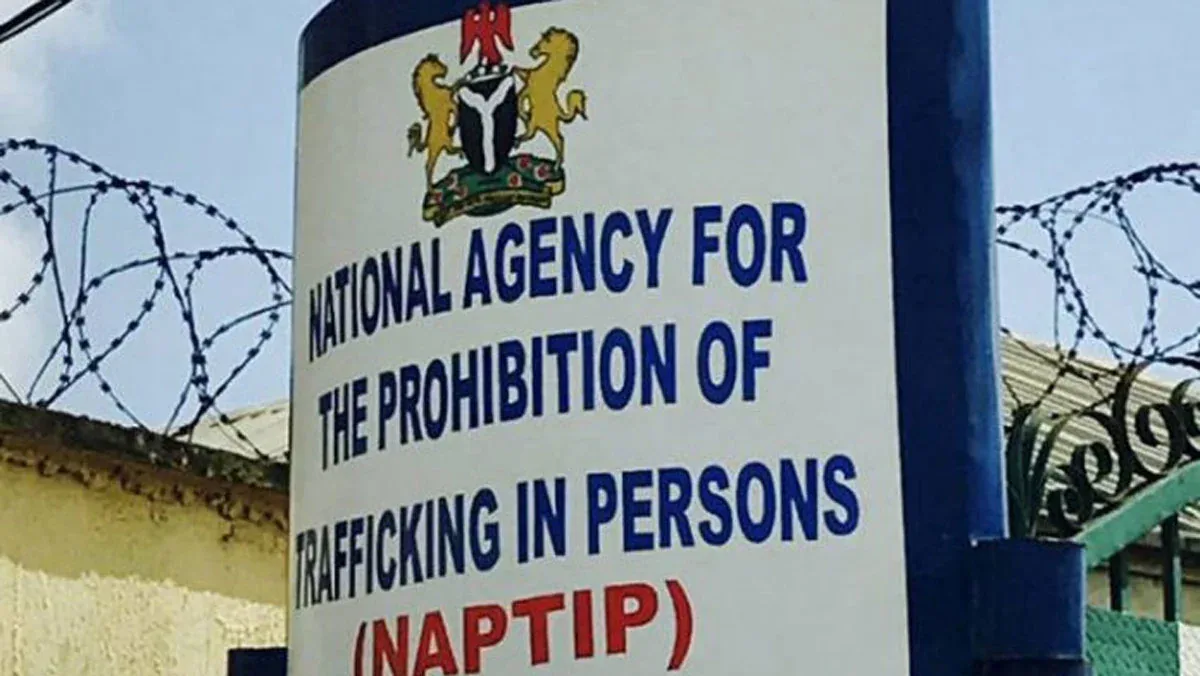
Assistant Director of the Legal and Prosecution Unit at NAPTIP’s Benin Zonal Command, Tonia Mgbemeje, said preventing trafficking before it occurs remains a major part of the agency’s strategy.
She explained that the newly inaugurated clubs would equip students with the knowledge to recognise warning signs, educate their classmates and encourage safer decisions within their schools and communities.
Mgbemeje identified Facebook, Instagram and other social media platforms as channels traffickers may use to build relationships with children before attempting to exploit them.
She warned that some offenders make attractive promises of employment, scholarships and opportunities abroad to gain the trust of their targets. Others may pressure young people to keep their online relationships or proposed travel arrangements secret from parents, teachers and other trusted adults.
She also cautioned that individuals who manipulate children into sharing private photographs may later use threats of exposure to control them.
According to her, traffickers do not always need to meet their targets physically before attempting to recruit them, as online communication can be used to establish contact and manipulate vulnerable individuals.
She advised students to discuss suspicious offers with trusted adults rather than respond to pressure or keep such approaches secret.
The NAPTIP official also identified demands for secrecy and pressure to make unusual promises or commitments before travelling as warning signs that should not be ignored.
Junior Project Officer of ICMPD in Edo State, Daniella Ige, said the school advocacy programme was expanding, with 37 schools expected to be covered across its three implementation phases in the state.
She explained that the first phase reached 10 schools, while the second covered 15, with another 12 included in the current phase.
Ige said the programme initially planned to establish clubs involving about 30 students in each of 50 targeted schools, creating a network of student advocates.
She added that the initiative was extending its awareness activities beyond classrooms to churches, markets and communities through engagement with parents and other stakeholders.
According to her, the next stage would focus on monitoring the clubs, improving students’ knowledge and encouraging peer education through debates, school assemblies and awareness campaigns.
Also speaking, Ernest Osarenkhoe, Head of Programme and Research at the Edo State Migration Agency, urged the students to promote safe and regular migration while helping their peers avoid trafficking schemes.
He cautioned against believing that travel visas could simply be purchased, explaining that legitimate travel documents must be obtained through the appropriate procedures.
Mercy Isibor, the STEAP Desk Officer at the Edo State Ministry of Education, encouraged the students to share what they had learnt with other pupils, families and their communities.
Representing the Commissioner for Education, Washington Usifo, she said efforts to improve education would be undermined if children remained exposed to trafficking and exploitation.
She urged students to report suspicious approaches to teachers, guidance counsellors, club coordinators and school principals, stressing the importance of speaking up when they encounter potentially dangerous offers.
Isibor also assured the students that NAPTIP and the Ministry of Education would continue to monitor the clubs and support their activities.
The Vice-Principal of Umagbae Secondary School, Philomena Ogbewe, commended the organisers, describing the initiative as beneficial to students and teachers.
The wider STEAP project is funded by the Government of the Netherlands and implemented by ICMPD in collaboration with NAPTIP, civil society organisations and relevant state institutions.
Its activities cover Edo, Delta, Ogun, Benue and Enugu states, using school-based education and community advocacy to help children recognise trafficking risks and make informed decisions.
Reporting by TalkNaijaMedia




Reader Comments (0)
No comments yet. Be the first to share your perspective on this report.