

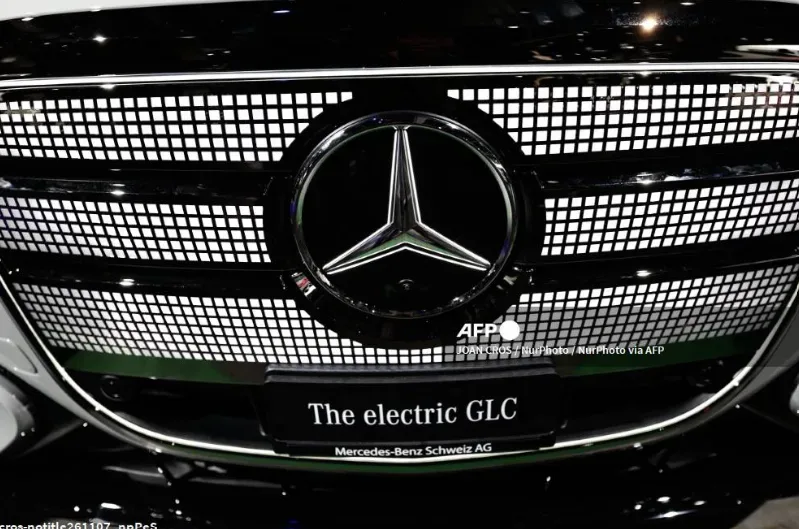
Mercedes-Benz production chief, Michael Schiebe, disclosed the investment freeze in an internal company interview, explaining that management had been unable to reach an agreement with employee representatives on measures to reduce operating costs despite several rounds of discussions.
He said the company would now examine which German facilities might have to close if an acceptable change in the cost structure could not be achieved.
However, Schiebe stressed that management still hoped to reach an agreement that would allow future generations of Mercedes-Benz vehicles to continue being manufactured in Germany.
He warned that without a breakthrough, some new vehicle models could instead be produced outside the country.
Another member of the company’s management board, Britta Seeger, said possible factory closures would have to be considered more seriously, although the company hoped to avoid such a development.
A major point of disagreement between management and workers concerns labour costs and working conditions. Mercedes-Benz has been pushing for increased productivity, including proposals for employees to work longer hours without additional pay.
The powerful IG Metall trade union has opposed the proposed changes and is demanding a five per cent wage increase in ongoing negotiations.
Seeger criticised the union’s demand, arguing that higher wages would further increase Germany’s already expensive labour costs and make the country less competitive as a manufacturing destination.
The dispute comes as Mercedes-Benz faces significant challenges in the global automotive market, particularly in China, where competition from domestic manufacturers has put pressure on established international brands.
The company also lowered its 2026 earnings expectations in October. Its updated outlook projected group earnings before interest and taxes of approximately €5.8 billion, broadly in line with the previous year's level, rather than the stronger performance earlier anticipated.
The difficulties extend beyond Mercedes-Benz, with other major German manufacturers, including BMW and Volkswagen, also facing pressure from weaker demand, rising costs and competition from Chinese automotive brands.
Automotive analyst Ferdinand Dudenhoeffer described the developments as evidence of the serious challenges confronting Germany’s car industry, warning that manufacturers would struggle to remain competitive without major changes to their cost structures.
Despite the proposed investment freeze, Mercedes-Benz has not announced specific factories for closure. Management has indicated that it still wants to reach an agreement with employee representatives and preserve vehicle production in Germany.
The outcome of the negotiations could therefore play a significant role in determining the future of the company’s German manufacturing operations.
Reporting by TalkNaijaMedia





Reader Comments (0)
No comments yet. Be the first to share your perspective on this report.