

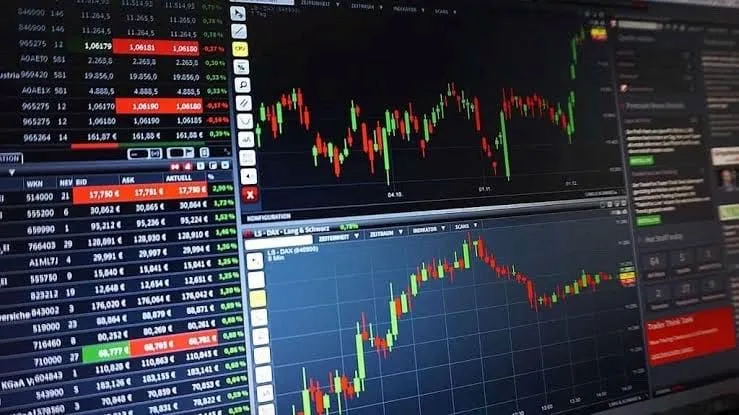
In a personal account published by Nairametrics, the Exness Team Pro trader explained that his routine often begins at 2 AM, when he checks the latest market movements before deciding whether conditions warrant closer attention.
Rather than remaining at his desk throughout the night, Kojo said he has previously set hourly alarms between 2 AM and 10 AM to review price movements on the one-hour chart. When the market does not meet his expectations, he returns to sleep instead of forcing a trade.
He said his level of attention usually increases around 5 AM as he begins watching the market more closely. However, the decision to trade depends on whether price movements align with the conditions he is waiting for.
For Kojo, discipline is not simply about waking up early or spending long hours in front of trading screens. It also involves recognising when there is no suitable opportunity and resisting the urge to act unnecessarily.
Fewer Instruments, More Focus
Kojo explained that he now follows fewer than three trading instruments, allowing him to concentrate on the price levels and market conditions that matter to his approach.
He typically begins by checking messages and reviewing charts on his phone. When prices are far from his preferred entry zones, he can step away from the screen. When the market approaches those levels, he gives it closer attention.
His preparation also extends beyond charts. He monitors discussions about cryptocurrency, politics, stocks and other developments that could help explain unusual market movements.
According to him, sudden volatility should not automatically be treated as ordinary price action. Understanding what may have triggered a movement is part of his effort to assess market conditions before making a decision.
How His Trading Habits Have Changed
Kojo said his approach was more ritualistic earlier in his career. He would isolate himself, adjust the lighting, play music and remove distractions to create what he considered the right environment for trading.
With experience, he has become more relaxed about his surroundings. He can now listen to music casually while maintaining the discipline required to follow his process.
His trading screens remain readily accessible, and he uses his phone or tablet to monitor developments when he is away from his desk.
He described the change as a shift from relying on a carefully constructed atmosphere to having a routine that has become part of his daily life.
Why Risk Assessment Comes Before a Trade
Kojo said the period immediately before entering a position requires more careful consideration than simply watching an existing trade.
Before committing capital, he considers the amount he could lose, where a stop-loss order should be placed, the potential profit target and whether he is prepared to accept the possible outcome.
Once a position is open, he said, the original decision cannot simply be rewritten. This makes preparation and risk assessment important parts of his process.
He also uses alerts to monitor relevant price levels rather than continuously watching every market movement. Depending on how a position develops, he may consider taking partial profits or adjusting the stop-loss level.
When a trade moves against him, he said he tries to accept the possibility of a loss rather than allowing anxiety to dictate his response.
These practices reflect his personal approach and do not guarantee profitable results. Financial markets remain unpredictable, and traders can lose some or all of the money they put at risk.
Why Doing Nothing Can Be a Decision
Kojo said his routine sometimes ends without a single trade, even after several hours of monitoring the market.
He may wait for a price level to be reached and then look for a particular candle close before considering an entry. If the expected conditions do not appear, he stays out.
He views this restraint as an important part of protecting his trading capital. In his account, he compared capital to limited ammunition, arguing that repeatedly committing money to weak opportunities can leave a trader with fewer resources when a more suitable setup appears.
His approach places greater emphasis on waiting for conditions that match a plan than on trading simply to remain active.
Economic Events and Market Preparation
Kojo also discussed his use of the Exness Terminal economic calendar to organise information about upcoming economic announcements.
He pays particular attention to events such as interest-rate decisions, inflation releases and unemployment figures when they are relevant to the instruments he follows.
The calendar helps him identify events that may affect market volatility, but he said it does not make trading decisions for him. He still evaluates whether the conditions fit his own expectations.
Economic announcements can produce sudden price movements, however, and their effects are not always predictable. Awareness of an event does not eliminate the risks associated with trading.
The Role of Exercise in Managing Stress
Away from the charts, Kojo said going to the gym helps him clear his head, particularly after a difficult trading day.
He explained that losses can remain emotionally challenging even with experience. His journey to the gym, the training session and the return trip provide an opportunity to step away from the market and regain perspective.
He does not describe exercise as a fixed morning requirement, but as a useful way to manage stress outside trading hours.
Reflecting on how his habits have evolved, Kojo said his routine has become less focused on appearances and elaborate rituals and more centred on knowing what he is waiting for, understanding the risks involved and accepting when market conditions do not justify a trade.
His account highlights a less visible side of trading: the waiting, preparation and restraint that take place before any decision to commit capital.
Reporting by TalkNaijaMedia





Reader Comments (0)
No comments yet. Be the first to share your perspective on this report.