

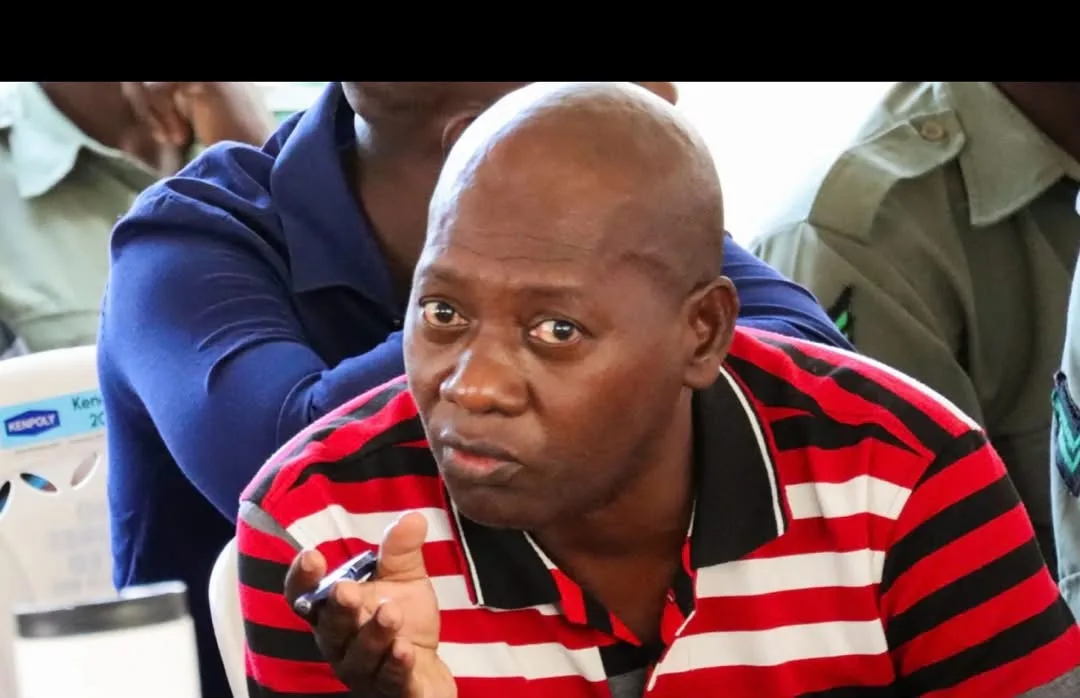
Justice Diana Kavedza Mochache held Mackenzie primarily responsible for leading followers to a remote settlement and promoting an organised system of extreme fasting under the claim that it would enable them to meet Jesus.
The court found that the victims were subjected to enforced fasting, with children among those targeted. It also established that members of the group played different roles in implementing the instructions and ensuring compliance.
The 200-year sentence comprises two consecutive 100-year prison terms. The first relates to 183 murder counts involving deaths attributed to starvation, while the second covers eight counts involving direct killings.
The court’s decision followed Mackenzie’s conviction on October 19, 2026, when Justice Kavedza ruled that prosecutors had established his guilt and that of the other defendants beyond reasonable doubt.
Assistant pastor Smart Mwakalama was among those sentenced alongside Mackenzie, receiving a 160-year prison term. The other convicted defendants were handed varying sentences, ranging from 10 to 160 years, according to reports from Kenyan media.
The case, widely known as the Shakahola massacre, came to public attention in April 2023 after authorities began investigating reports of missing people and uncovering graves in Shakahola Forest, Kilifi County.
Investigations revealed that Mackenzie had led followers of his church to an isolated settlement, where they were exposed to extreme religious teachings and fasting practices.
Authorities have since recovered more than 400 bodies from the wider Shakahola area. However, the 191 murder counts covered by the trial relate specifically to the victims considered in the case, rather than the entire number of deaths uncovered during investigations.
Mackenzie had denied forcing his followers to starve, but the court rejected his defence after considering evidence presented by the prosecution. The investigation included testimony from witnesses, forensic findings and other evidence linking the defendants to the organised system that led to the deaths.
Prosecutors had urged the court to impose the death penalty on Mackenzie, arguing that the scale of the tragedy and the circumstances surrounding the killings justified the maximum punishment. The court instead handed down the 200-year prison term.
Mackenzie's lawyer, Lawrence Obonyo, indicated that the defence would challenge the judgment, arguing that the lengthy sentence effectively amounted to life imprisonment. Reports said the convicted persons had 14 days to lodge appeals.
The preacher also faces separate legal proceedings relating to other allegations connected to his religious activities, including terrorism, manslaughter and offences involving children. Those matters are separate from the 191 murder convictions.
The Shakahola tragedy has renewed debate in Kenya over the regulation of religious organisations and the responsibility of authorities to respond to warning signs of exploitation and harmful practices within religious groups.
The case has also drawn attention to the need for stronger safeguards to protect vulnerable people, particularly children, from manipulation and abuse under the cover of religious authority.
Reporting by TalkNaijaMedia



Reader Comments (0)
No comments yet. Be the first to share your perspective on this report.