

Ambrose Okosun, Director of Zonal and State Peacebuilding Offices, disclosed the plan during a preparatory meeting for a proposed sensitisation programme aimed at coordinating the Institute’s field operations. He said the meeting was intended to align the programme’s objectives, methods and logistics while giving officers an opportunity to identify operational challenges and develop responses suited to their locations.
According to the reports presented at the meeting, the offices face different security situations but share common difficulties, including limited staffing, inadequate logistics and gaps in coordination between early-warning systems and agencies responsible for responding to threats.
The proposed programme is expected to strengthen officers’ skills in conflict prevention, mediation and peace education, encourage the exchange of practical experience and support the development of action plans tailored to local conditions.
In Plateau State, the Institute’s North-Central II office in Jos reported persistent communal disputes, farmer-herder tensions, attacks on rural settlements, displacement and competition over land and other natural resources. It identified the March 29, 2026, attack in Angwan Rukuba, Jos North, as a significant incident during the reporting period and warned of the potential for retaliatory violence.
The office called for stronger community-based early-warning systems capable of collecting and verifying information and passing it to relevant authorities for preventive action. It also recommended sustained dialogue between farmers and herders, seasonal conflict-risk mapping and wider participation by women, young people, persons with disabilities, traditional rulers, religious leaders, civil society organisations and security agencies.
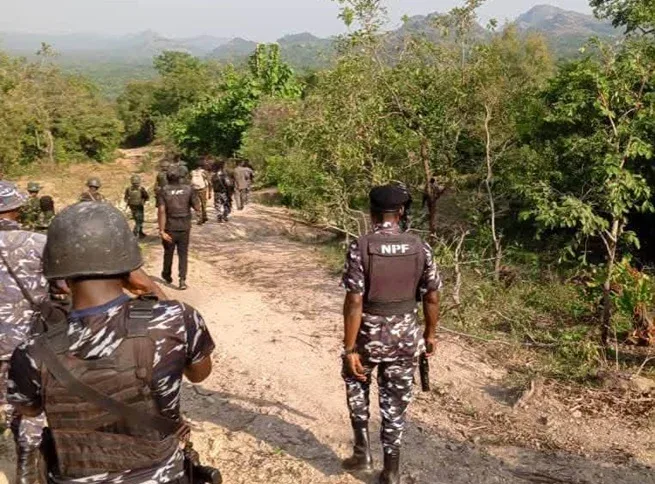
In Kwara State, the reports highlighted security concerns linked to banditry, kidnapping, cattle rustling and attacks on rural communities, particularly in vulnerable border areas and locations near forest corridors.
The Institute stressed the importance of cooperation between formal security agencies and community actors. Its report cited a September operation in Lade, Patigi Local Government Area, which reportedly resulted in four suspected bandits being neutralised and 35 stolen cattle recovered following an attack on a pastoral settlement. It also referenced the reported abduction of a newlywed couple and four other people along the Eruku-Iyemero border road in September.
The recommendations included better intelligence-sharing between neighbouring states, improved monitoring of vulnerable areas, functional community early-warning networks and continued engagement between farming and pastoralist communities.
Staffing and logistics emerged as major concerns in the North-West. The Katsina-based office, which covers Katsina, Zamfara, Sokoto and Kebbi states, reportedly had only two staff members to coordinate its work across the four states. It also lacked an official vehicle for field operations and reported shortages of computers, communication equipment, furniture and other essential resources.
Although the office had undertaken community sensitisation, trained community-based reporters and supported conflict early-warning initiatives, it said its limited operational capacity restricted the reach of its activities.
A second North-West office in Kaduna, responsible for Kaduna, Kano and Jigawa states, reported continuing concerns over banditry, kidnapping, rural violence and cult-related activities. It called for stronger coordination among agencies, better intelligence-sharing, community policing and wider peacebuilding interventions, while also identifying staffing shortages and the lack of dedicated office facilities as challenges.
In the North-East, the reports identified the Boko Haram and Islamic State West Africa Province insurgencies as major sources of insecurity, displacement and livelihood disruption. They also described militant activity around the Lake Chad area, attacks on rural communities and military positions, and farmer-herder clashes.
The report said an attack in Marte Local Government Area of Borno State on October 2 left 18 villagers dead after they reportedly went to collect firewood, while other residents were reported missing. These figures and details are attributed to the Institute’s report.
While acknowledging security operations against insurgents, the Institute stressed that lasting peace also requires attention to poverty, unemployment, limited access to education, perceived marginalisation and inadequate public services.
The South-East report, covering January to September 2026, documented incidents involving murder, kidnapping, banditry, cult-related violence, communal disputes, political violence and alleged extrajudicial killings. It recorded five communal incidents in Ebonyi State that reportedly resulted in 16 deaths, alongside other incidents in parts of Anambra and Enugu states.
The Institute recommended stronger community engagement, improved conflict monitoring and closer cooperation between security agencies and local stakeholders to address the region’s varied security concerns.
In the South-West, the reports identified cult-related violence, armed robbery, domestic violence, protests, building collapses, fires and flooding as issues requiring improved prevention and public-safety coordination. Monitoring in Lagos and Ogun states highlighted the importance of peaceful protest management, youth engagement, better police-community relations, emergency preparedness and protection for vulnerable groups.
The Institute also called for stronger early-warning arrangements in flood-prone communities and better coordination among government agencies, security institutions and community organisations.
Across the six geopolitical zones, a recurring concern was that information about emerging threats does not always result in timely intervention. The Institute therefore recommended improved verification of reports, stronger community early-warning networks, regular coordination among relevant agencies and wider access to peace education in schools and vulnerable communities.
It also emphasised the importance of involving women and young people and building partnerships with traditional and religious institutions, civil society groups and academic organisations.
With the 2027 general elections approaching, the reports highlighted the need for sustained engagement among political parties, electoral authorities, security agencies and community leaders to help prevent hate speech, misinformation, political tensions and election-related violence.
The proposed sensitisation programme is expected to help improve the technical capacity of field officers, strengthen coordination and encourage locally appropriate approaches to conflict prevention. However, the reported shortages suggest that training alone may not be sufficient without sustained funding, adequate staffing, transport and communication equipment.
The IPCR’s broader challenge will be to ensure that information gathered from vulnerable communities translates into practical interventions that can reduce violence, prevent displacement and protect livelihoods. Its plans also underline the importance of complementing security operations with mediation, reconciliation and efforts to address the social and economic pressures that contribute to conflict.
Reporting by TalkNaija Media



Reader Comments (0)
No comments yet. Be the first to share your perspective on this report.