

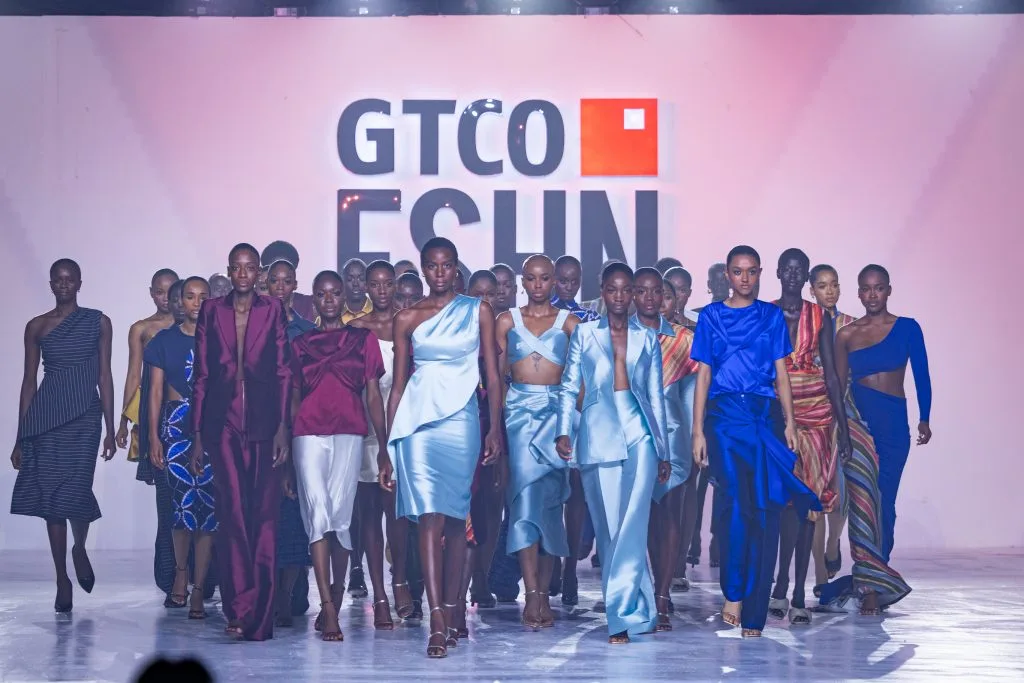
One of the biggest highlights was the introduction of the GTCO Fashion Collective, a year-round platform designed to connect professionals and businesses across different segments of the fashion industry.
The two-day programme featured runway presentations by 12 designers, approximately 140 curated fashion retail outlets, masterclasses, exhibitions and activities celebrating locally produced fabrics and traditional craftsmanship.
The initiative builds on GTCO's Promoting Enterprise programme, which has supported small businesses and entrepreneurs through the Fashion Weekend since its introduction in 2016.
A notable addition to this year's event was the Craft and Fabric Market, which provided indigenous artisans, including Aso-oke weavers and Adire makers, with an opportunity to showcase their products and connect with potential customers.
The market complemented the retail village, where about 140 selected businesses displayed clothing, accessories and lifestyle products. The outlets were selected from more than 5,000 applications, according to the event organisers.
The runway programme featured a blend of established African designers and international fashion brands, with collections reflecting different interpretations of contemporary style, cultural heritage and craftsmanship.
The opening day featured Tongoro, FIA Factory, Ibrahim Fernandez, Washington Roberts, Maison Sara Chraibi and Imane Ayissi.
Tongoro opened the presentations with a collection built around a black-and-white colour combination, while other designers brought their individual creative approaches to the runway.
The second day's presentations featured Sukeina, House of Marvee, Selam Fessahaye, Kim Shui, Ohlanna Bu Zikora and American designer LaQuan Smith, who concluded the main runway programme.
Emerging designers also received attention through a separate presentation platform. Spectrum by Aisha, MSO Lagos and Cisca Cecil showcased their work on the first day, while Sheye Oladejo, Meme Rocha and Mide World presented on the second day.
The Streetwear Hub was another attraction, highlighting contemporary fashion influenced by youth culture, music, heritage and international trends.
Beyond the fashion displays, the weekend provided opportunities for entrepreneurs and creative professionals to acquire practical business knowledge through masterclasses covering fashion entrepreneurship, brand development, photography, beauty and digital marketing.
Among the facilitators were fashion entrepreneur and digital creator Sherlina Nym, photographer Rachel Ojuromi and Renee Morris, founder of natural haircare brand Uncle Funky's Daughter. Other sessions explored creativity, business sustainability and the importance of developing distinctive brand identities.
However, the introduction of the GTCO Fashion Collective emerged as one of the most significant developments of the 2026 edition.
Unveiled by GTCO Group Chief Executive Officer, Segun Agbaje, alongside the group's Head of Corporate Communications, Oyinade Adegite, the platform is designed to sustain industry engagement beyond the annual fashion event.
It will connect designers, models, stylists, photographers, editors, buyers, content creators and other professionals across the fashion value chain to encourage collaboration, knowledge-sharing and commercial opportunities.
A key feature of the initiative is a Manufacturer and Textile Directory expected to document indigenous producers, including Aso-oke weavers, Adire dyers and other local textile artisans.
The directory is intended to improve the visibility of these businesses and make it easier for designers and other fashion industry participants to connect with local manufacturers and suppliers.
By extending its activities throughout the year, GTCO hopes to strengthen relationships between designers and the artisans whose skills contribute to the identity and growth of African fashion.
The event also generated conversations on social media following the circulation of videos showing some male attendees wearing unconventional fashion combinations, including corsets, heels and backless outfits.
The appearances attracted mixed reactions, with some commentators defending fashion as a form of personal expression, while others raised concerns about changing ideas of masculinity.
Despite the differing opinions, the ninth edition reinforced the role of GTCO Fashion Weekend as a platform for promoting African creativity, supporting small businesses and connecting local fashion entrepreneurs with wider markets.
With the launch of the GTCO Fashion Collective, the organisers are seeking to build on the annual event by creating more opportunities for collaboration, visibility and sustainable growth across the African fashion industry.
Reporting by TalkNaijaMedia


Reader Comments (0)
No comments yet. Be the first to share your perspective on this report.