

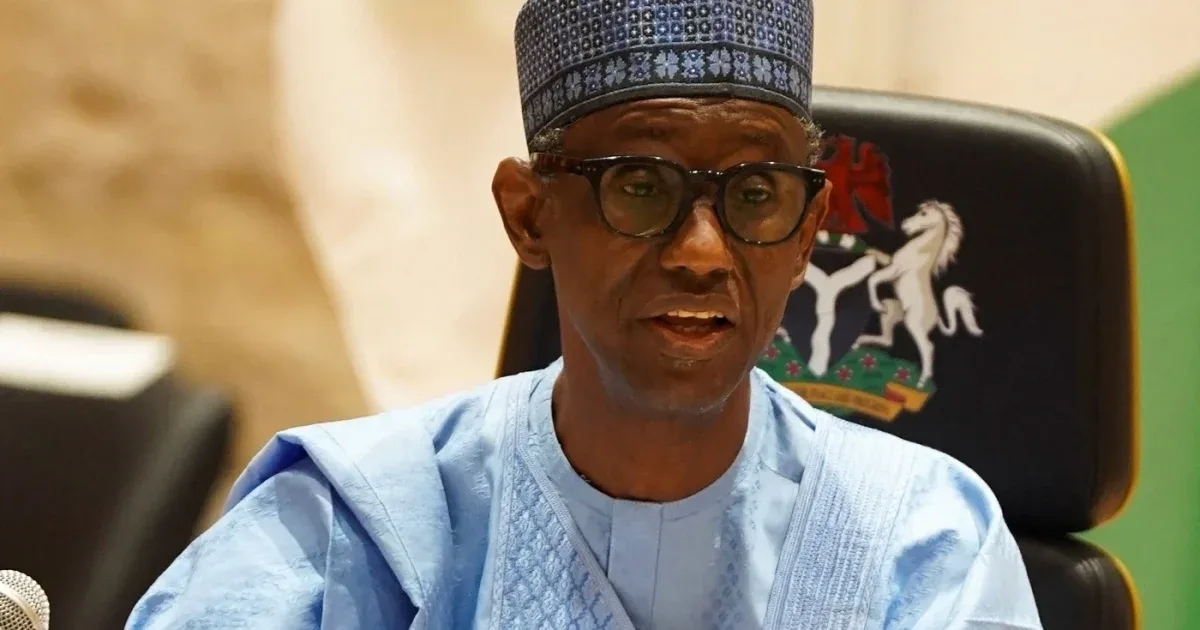
Zakari explained that the law covers a range of activities beyond direct participation in terrorist attacks, including providing support to terrorist groups, facilitating their meetings and engaging in activities that assist the planning or execution of terrorism.
He said individuals who knowingly provide support to terrorist groups could face a minimum of 20 years in prison, while landlords who knowingly make their properties available for terrorist activities could also be prosecuted.
According to him, the relevant provisions of the law are designed to hold not only those directly involved in terrorist acts accountable but also individuals and organisations that knowingly assist or facilitate such activities.
He encouraged journalists and other members of the public to familiarise themselves with the legislation, particularly Sections 11 to 33, to better understand the offences and penalties established under the Act.
Zakari also warned companies against involvement in transactions connected to terrorism financing. He said corporate organisations found guilty could face fines of at least ₦200 million, prosecution of responsible principal officers and possible winding-up.
He added that the government was strengthening its investigative capacity to identify and prosecute individuals and organisations suspected of financing terrorism or providing other forms of assistance.
The briefing also addressed concerns about legal representation for defendants facing terrorism-related charges.
The Director-General of the Legal Aid Council of Nigeria, Aliyu Abubakar, represented by his Technical Adviser on Counter-Terrorism, Dauda Hassan, said arrangements had been made to ensure that defendants had access to legal assistance before and during court proceedings.
Abubakar said officials of the council regularly visited defendants held at the Kuje Correctional Centre and military detention facilities to interact with them ahead of their trials.
He dismissed allegations that defendants were being denied the opportunity to engage private legal practitioners, insisting that the right to legal representation of one's choice remained recognised.
He explained that private lawyers seeking to take over cases were expected to obtain the necessary clearance from the relevant authorities, including the Department of State Services and the Director of Public Prosecutions.
Abubakar further disclosed that defence lawyers had received logistical assistance, facilitated through the Office of the National Security Adviser, to visit defendants at Kuje and consult with them before court appearances.
The 11th phase of the Federal Government's mass trials of terrorism suspects was conducted at the Federal High Court in Abuja between October 15 and 24, 2026.
The National Coordinator of the National Counter Terrorism Centre, Major General Adamu Laka, said the exercise resulted in 791 convictions, bringing the cumulative number of convictions recorded across the 11 phases to 2,512.
The government has maintained that its counter-terrorism prosecution efforts are aimed at addressing direct involvement in terrorism as well as the financial and logistical networks that sustain such activities.
Reporting by TalkNaijaMedia



Reader Comments (0)
No comments yet. Be the first to share your perspective on this report.