
Oyedele said investors were seeking assurances that Nigeria would maintain its decision to remove petrol subsidies and unify its foreign exchange market, particularly as the country approaches the 2027 general elections.
He warned that any indication of a policy reversal could weaken investor confidence and encourage capital outflows, placing additional pressure on the foreign exchange market and the local currency.
The minister maintained that the government would not return to the former petrol subsidy arrangement or the multiple exchange-rate system. He argued that maintaining consistent economic policies was important to sustaining investor confidence and protecting the progress made under the reforms.
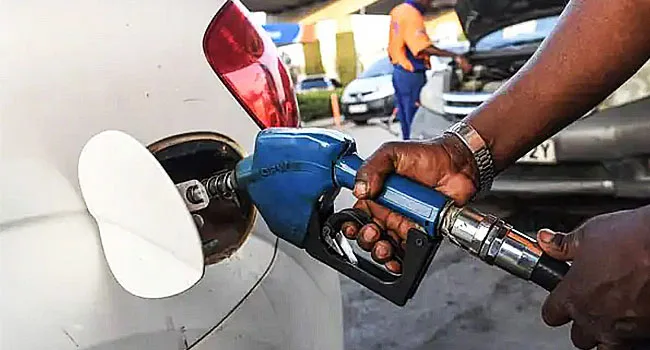
The warning comes amid public concern over high petrol prices and calls for the government to provide relief to households and businesses facing increased transport and living costs.
Oyedele also defended a temporary petrol price discount introduced through Nigerian National Petroleum Company Limited (NNPC Ltd) retail outlets, describing it as a commercial reduction in the company’s retail margins rather than a return to a government-funded subsidy.
The distinction is significant because the government maintains that the temporary discount does not reverse the broader policy of allowing petrol prices to reflect market conditions.
Central Bank of Nigeria Governor Olayemi Cardoso and Minister of Budget and Economic Planning Atiku Bagudu were also involved in discussions on the country’s economic outlook and the need to coordinate fiscal and monetary policies.
Bagudu stressed the importance of cooperation between fiscal and monetary authorities in consolidating reform gains and supporting sustainable economic growth.
During the briefing, the Nigerian delegation also highlighted the government’s ambition to achieve annual economic growth of seven per cent. The target reflects the administration’s aspirations for stronger economic activity, although achieving it will depend on investment, productivity and wider economic conditions.
Beyond domestic policy, Nigeria called for reforms to the IMF and World Bank to improve the representation of developing economies in global financial decisions and expand access to affordable development financing.
Oyedele made the case for a fairer international financial system while presenting the 2026 communiqué of the Group of Twenty-Four (G-24) during the annual meetings in Bangkok.
He said geopolitical conflicts, trade uncertainty, volatile commodity prices and climate-related shocks were creating serious challenges for global economic growth, with emerging and developing economies particularly exposed to the effects.
The discussions also addressed issues including debt sustainability, climate change, artificial intelligence and inequality, as governments and financial institutions considered how to respond to mounting economic pressures.
For Nigeria, the government’s position is that preserving policy consistency while improving economic growth and attracting investment will be essential to sustaining reform gains. However, the challenge remains ensuring that improvements in economic indicators translate into tangible relief and better living conditions for citizens.
Reporting by TalkNaija Media


Reader Comments (0)
No comments yet. Be the first to share your perspective on this report.