

The Federal Government is pushing for greater investment in modern abattoirs as part of efforts to transform Nigeria’s livestock industry and create more employment opportunities.
Minister of Livestock Development, Idi Maiha, said each modern abattoir with a processing capacity of about 500 cattle per day could create roughly 10,000 jobs when linked to activities such as animal production, feed supply, veterinary services, transportation, meat processing and cold-chain logistics.
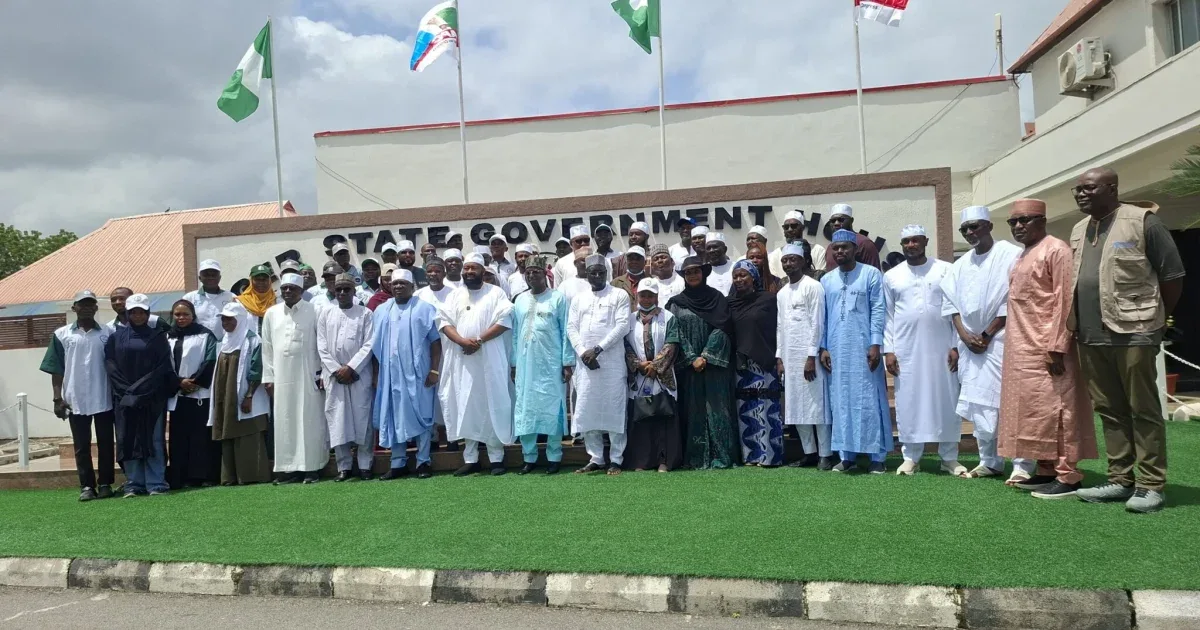
Maiha made the disclosure during a visit to Niger State Governor, Umaru Bago, in Minna on Friday, October 2, 2026, as part of a two-day working visit to inspect projects under the Livestock Productivity and Resilience Support Project, known as L-PRES.
The minister called on state governments to work with private investors to establish and operate modern abattoirs, particularly in state capitals, arguing that the facilities could help move Nigeria's livestock economy from the transportation of live animals to the processing and distribution of meat.
According to Maiha, transporting cattle over long distances from northern parts of the country to southern markets can result in weight loss, accidents, waste and limited economic value. He said a more efficient system would involve processing animals closer to production areas and transporting the meat under controlled cold-chain conditions.
The proposed abattoir model, he explained, would also create opportunities beyond meat processing. Farmers could benefit from increased demand for cattle fattening, pasture cultivation and feed production, while veterinary services, transportation and other supporting businesses would also expand around the facilities.
Maiha said the wider livestock sector could absorb significant numbers of young Nigerians because of the range of activities available, including poultry, egg production, dairy farming and goat processing.
He identified feed and fodder development, improved animal breeding and animal health management as three key priorities of his ministry.
The minister also said the Federal Government would work with state governments to encourage the development of livestock centres where pastoralists could access the infrastructure and services needed for more organised livestock production.
Maiha argued that nomadic livestock movement should be viewed largely as a response to the search for pasture and water rather than simply as a cultural practice. He said better livestock infrastructure and improved access to resources could support more settled and productive systems.
On dairy production, the minister said improved breeding was important for increasing domestic milk output. He also cited Nigeria's continued dependence on imported dairy products as an indication of the gap between the country's livestock potential and its current production capacity.
The Federal Government, he said, would therefore need stronger cooperation with state governments and private investors to increase productivity and reduce reliance on imported dairy products.
During the visit, Maiha commended Governor Bago's agricultural initiatives and inspected Zaima Farm in Minna, which is among the beneficiaries of L-PRES interventions. Niger State government sources said the intervention has supported poultry production infrastructure at the farm, including a processing facility with a reported capacity of about 10,000 chickens per day.
Bago, in his response, said Niger State was working to address pasture shortages by increasing the cultivation of animal feed. He said the state had secured $100 million from Saudi Exim Bank, with an initial $10 million earmarked for irrigation projects intended to support pasture production.
The governor said the planned livestock infrastructure would provide water, feed, paddocks and veterinary services, while creating incentives for pastoralists to participate in more organised livestock production.
Bago also disclosed an arrangement involving El-Presco, Niger Foods and an Abuja-based abattoir under which Niger State is expected to supply about 200 cattle daily. He said the initiative could generate about 20,000 direct and indirect jobs, while feedlot production cycles could accommodate between 18,000 and 20,000 cattle. These employment figures are projections attributed to the governor rather than confirmed jobs already created.
The governor further appealed to the Federal Ministry of Livestock Development to review its L-PRES investment plans so that Niger State would remain adequately included in future interventions.
He also called for the activation of railway routes linking northern Nigeria with Lagos, arguing that more efficient rail transportation could reduce pressure on roads and minimise some of the losses associated with moving livestock over long distances.
Bago said improved rail connectivity could also support the broader livestock economy by making transportation more efficient and reducing some of the challenges associated with the movement of animals.
The minister's visit comes as the Federal Government continues to position L-PRES as a mechanism for improving livestock productivity and commercialisation. Niger State's L-PRES programme has already supported infrastructure and livestock-related interventions, including facilities at Zaima Farm and other locations.
The push for modern abattoirs reflects a broader attempt to develop more value-added livestock chains in Nigeria, with the government looking beyond the sale and movement of live animals toward processing, cold storage, transportation and other businesses that can generate employment and increase the economic value of livestock.
Reporting by TalkNaijaMedia



Reader Comments (0)
No comments yet. Be the first to share your perspective on this report.