

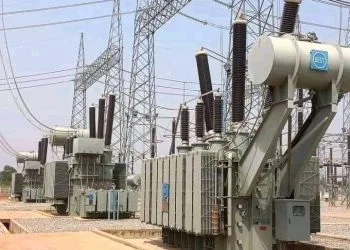
According to the ministry, inadequate gas supply to thermal power stations has limited their ability to generate electricity, while reduced water inflows into hydroelectric reservoirs have affected output from hydropower plants.
These challenges have reduced the amount of electricity available for distribution, affecting households, businesses and public institutions in the affected locations.
The ministry also noted that the affected areas had recorded improvements in electricity supply before the latest disruptions, acknowledging the frustration caused by the setback.
Minister of Power, Joseph Tegbe, is working with the Transmission Company of Nigeria (TCN), Nigerian Independent System Operator (NISO) and electricity distribution companies (DisCos) to address the problems and restore normal supply.
The ministry said the minister had engaged the relevant operators to tackle the operational constraints, speed up ongoing maintenance work and keep electricity consumers informed about restoration efforts.
In a separate statement, NISO also identified limited gas availability and reduced water inflows into hydroelectric reservoirs as major factors behind the decline in electricity generation. The system operator explained that the reduced generation had affected allocations to distribution companies, resulting in fewer hours of supply and increased load shedding across some networks.
The Federal Government reaffirmed its commitment to improving electricity reliability and sustaining recent progress in the sector. However, the ministry did not provide a specific timeline for the full restoration of normal supply.
It appealed to consumers for patience, assuring them that relevant agencies and operators were working to resolve the challenges.
Reporting by TalkNaijaMedia



Reader Comments (0)
No comments yet. Be the first to share your perspective on this report.