

The United Nations Mine Action Service (UNMAS) has identified improvised explosive devices and other explosive remnants of conflict as continuing threats to civilian movement and livelihoods in parts of the country, particularly in the North-East.
Its 2025 assessment recorded 329 explosive ordnance incidents in North-East Nigeria, resulting in 574 casualties, including 401 civilians. It also documented 65 incidents in the North-West and North-Central regions, with 71 casualties.
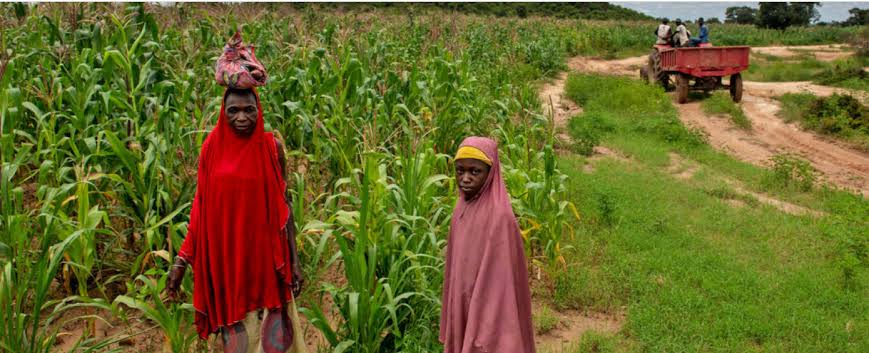
The threat extends beyond immediate casualties. When rural roads become unsafe, farmers may struggle to reach their fields, traders face difficulties accessing agricultural communities, and transporters may avoid routes considered dangerous.
These disruptions can affect the entire food supply chain, from planting and harvesting to transportation and distribution, potentially reducing the volume of produce reaching markets and increasing pressure on food prices.
A food security update published by FEWS NET in August 2026 also highlighted how insecurity was disrupting agricultural activities across several Nigerian states, including Benue, Borno, Kaduna, Katsina, Kwara, Niger, Plateau, Sokoto and Zamfara.
The assessment identified abductions, destruction of farmland, illegal levies and cultivation restrictions as factors threatening agricultural production and household incomes.
The combined pressure on farms, rural communities and transportation routes presents a serious challenge for Nigeria's efforts to improve food availability and affordability.
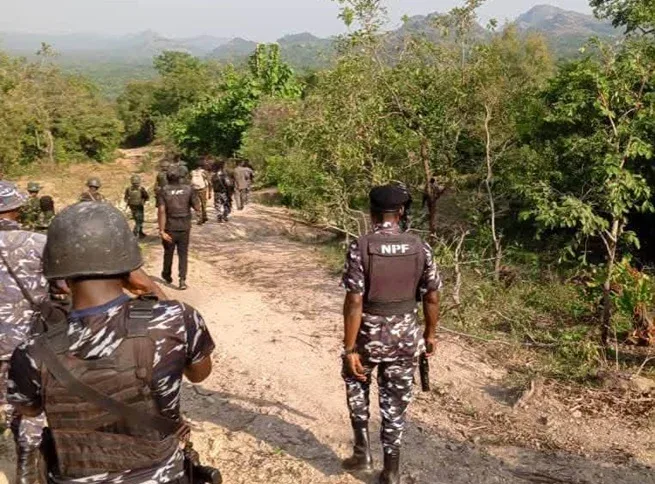
Beyond military responses, addressing the situation will require sustained protection of farming communities, safer access to rural markets, improved intelligence and stronger cooperation between security agencies and local authorities.
Nigeria's food production efforts depend not only on providing farmers with land, seeds, fertiliser and other agricultural support but also on ensuring that they can safely access their farms and transport their produce to consumers.
As insecurity spreads into critical agricultural areas and transportation corridors, protecting rural roads and food distribution networks must become an important part of the country's wider food security strategy.
Reporting by TalkNaijaMedia




Reader Comments (0)
No comments yet. Be the first to share your perspective on this report.