

The initiative followed a three-day engagement held between October 27 and 29, 2026, aimed at improving intelligence sharing, addressing communication gaps and strengthening coordinated responses to suspicious financial activities across Nigeria’s borders.
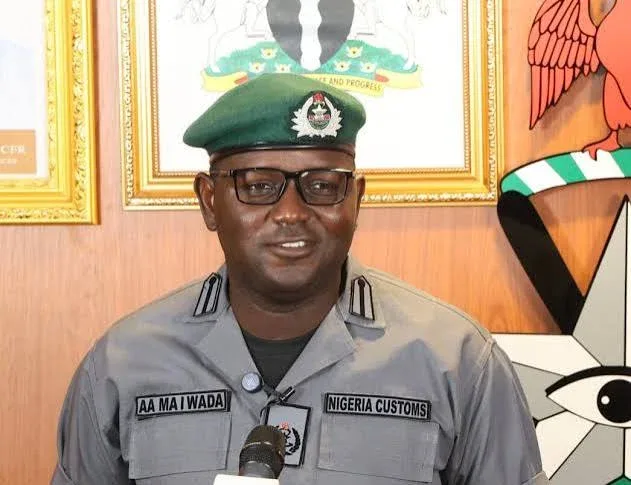
According to a statement issued by Customs spokesperson, Abdullahi Maiwada, the exercise was led by the Assistant Comptroller-General in charge of Headquarters, Muhammad Shuaibu.
Shuaibu explained that the engagement was designed to move beyond routine meetings by examining how Customs operations at border stations could be improved and how relevant agencies could work more effectively together.
He said the exercise included visits to selected border locations to assess existing control measures and identify areas requiring stronger cooperation.
During the discussions, the NFIU commended Customs for its contributions to border security and its longstanding relationship with the financial intelligence agency.
The NFIU representative, Muhammed-Mustapha, said Customs had been among the earliest institutions to collaborate with the unit following its establishment. He also acknowledged the importance of the Service’s role in monitoring cross-border activities.
A World Customs Organisation (WCO) mentoring team led by Shahiduzzaman Sarkar also participated in the engagement, sharing international approaches to detecting money laundering and preventing the financing of terrorism.
The discussions, however, identified several obstacles affecting cooperation among government institutions. These included communication challenges, bureaucratic delays and concerns about protecting sensitive information stored in government databases.
Participants considered ways to address these difficulties and improve the exchange of intelligence so that relevant agencies could respond more effectively to financial crimes.
The engagement also featured the presentation of awards by the Nigeria Customs Service and certificates from the World Customs Organisation to participating agencies in recognition of their contributions.
In a related development, Customs showcased its digital transformation programme at the World Customs Organisation Smart Customs Project Global Event 2026, held at the organisation’s headquarters in Brussels, Belgium, from October 29 to 30.
The Service was represented by Assistant Comptroller Omolara Adedeji, who presented its modernisation efforts, including the Unified Customs Management System known as B’Odogwu.
She also highlighted the Service’s use of artificial intelligence, data analytics and electronic cargo tracking as part of efforts to improve border management and facilitate legitimate trade.
In her presentation, titled “Nigeria Customs Service: The Journey Towards Smart Customs,” Adedeji explained that the modernisation programme was focused on automation, electronic processing and the use of data to improve decision-making.
She identified smart technology and smart data as the two major pillars of Nigeria’s Smart Customs vision. While smart technology covers automated systems and digital infrastructure, smart data focuses on intelligence-led operations, risk assessment and improved information sharing.
The B’Odogwu platform was presented as a major part of the reform programme, with the aim of simplifying Customs procedures, improving electronic transactions and strengthening engagement with government agencies and private-sector operators.
The Customs Service said the reforms were intended to improve operational efficiency, strengthen risk management and make trade processes more transparent.


Reader Comments (0)
No comments yet. Be the first to share your perspective on this report.