

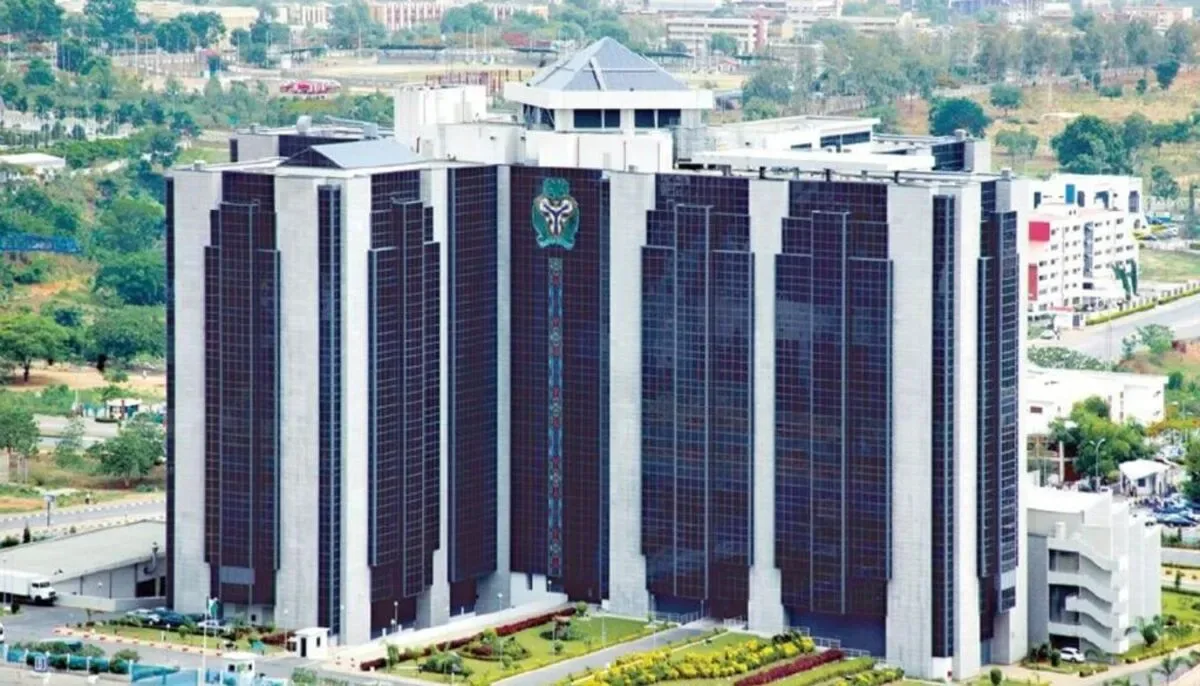
The OMO transaction accounted for about 85 per cent of the combined allotment, reflecting the central bank’s stronger intervention in managing liquidity within the banking system.
At the OMO auction, the CBN offered ₦1.5 trillion across 119-day, 126-day and 133-day instruments. Investors submitted bids worth ₦3.52 trillion, prompting the apex bank to allot ₦2.95 trillion.
Demand was particularly strong for the 133-day instrument, which attracted ₦2.36 trillion in subscriptions. The accepted rates for the three OMO tenors stood at 17.77 per cent, 17.71 per cent and 17.67 per cent, respectively.
The latest allotment represents a significant increase from the October 29 OMO auction, when the CBN allotted only ₦244.93 billion despite receiving subscriptions of about ₦2.28 trillion.
At the November 4 Treasury Bills auction, the Debt Management Office (DMO), through the CBN, offered ₦800 billion across the 91-day, 182-day and 364-day instruments.
Investors submitted bids totalling approximately ₦2.045 trillion, but only ₦509.41 billion was accepted, leaving about ₦1.54 trillion in bids unallotted.
The 364-day instrument attracted the highest demand, recording subscriptions of approximately ₦1.994 trillion. However, the DMO allotted ₦461.84 billion to the one-year bill.
The 91-day and 182-day instruments received allotments of ₦22.40 billion and ₦25.17 billion, respectively.
Despite the increased demand, Treasury Bills stop rates remained unchanged at 15.40 per cent for the 91-day instrument, 15.79 per cent for the 182-day bill and 15.80 per cent for the 364-day security.
The latest Treasury Bills allotment was also considerably higher than the ₦71.16 billion accepted at the October 28 auction, when most investor bids were rejected.
The auction outcomes highlight the difference between the rates offered on OMO instruments and those accepted for Treasury Bills. For instance, the 126-day OMO instrument cleared at 17.71 per cent, compared with 15.79 per cent for the 182-day Treasury Bill.
The increased OMO allotment comes amid substantial liquidity in the banking system. Financial market data showed that balances in the CBN’s Standing Deposit Facility exceeded ₦7.72 trillion on November 3, following the maturity of approximately ₦2.016 trillion in OMO securities.
Meanwhile, the DMO has raised about ₦1.82 trillion against ₦2.95 trillion offered across four Treasury Bills auctions conducted so far in the fourth quarter of 2026, according to the Financial Markets Dealers Association.
Market participants are expected to continue monitoring banking-system liquidity, further OMO issuances and the DMO’s pricing decisions for indications of the direction of short-term interest rates.
The extent to which future auctions attract investor demand and how much the authorities accept will remain important factors shaping Nigeria’s money market conditions.
Reporting by TalkNaijaMedia




Reader Comments (0)
No comments yet. Be the first to share your perspective on this report.