

The investment comes amid rising activity at Nigeria’s seaports. Data from the Nigerian Ports Authority (NPA) show that total cargo throughput increased by 24.8 per cent to 129.3 million metric tonnes in 2025, while container traffic rose by 25.7 per cent to more than 2.1 million twenty-foot equivalent units (TEUs).
Port activity remained strong in 2026. Cargo throughput reached 32.38 million metric tonnes in the first quarter, representing an 11.6 per cent increase compared with the corresponding period in 2025. Outward laden container traffic also climbed by 67.6 per cent to 102,803 TEUs.
Nigeria’s southern seaports handle a substantial share of the country’s maritime trade, meaning goods destined for Abuja and other northern markets often require additional inland transportation after arriving at the coast. This creates logistical demands for importers and adds pressure to the country’s road freight network.
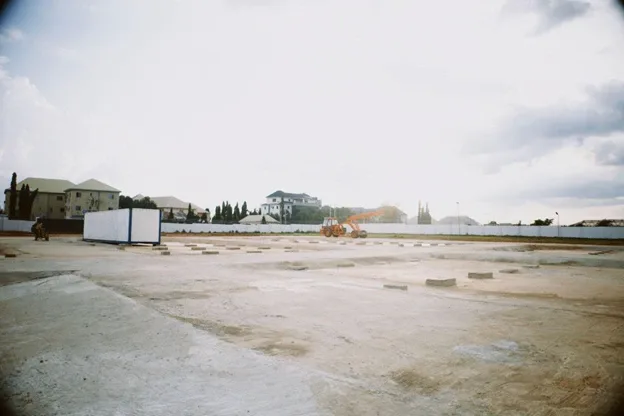
TRÏNŪ aims to address part of that challenge by allowing eligible cargo to be transported under customs bond to its Kuje facility. Goods can be stored and processed there, with applicable customs duties paid in line with the procedures governing their release.
Bilal Ajijola, chief executive officer of TRÏNŪ Bonded Warehouse, said the facility was established to bring cargo handling and clearance services closer to the markets where goods are ultimately needed.
The warehouse offers container and general cargo storage, cargo handling and consolidation, customs documentation and clearance support, as well as office accommodation for Customs and other regulatory agencies.
The company expects the facility to create more than 5,000 direct and indirect job opportunities within five years. Potential employment areas include warehousing, trucking, cargo handling, clearing and forwarding, security, equipment maintenance and administration. Other businesses involved in insurance, financial services and logistics support could also benefit as activity increases.
However, the projected employment figure is the company’s expectation and should not be interpreted as a confirmed number of jobs already created.
The warehouse’s initial capacity of about 700 containers also does not represent its total annual cargo-handling potential. Containers can move in and out of a facility several times in a year, allowing the same storage capacity to support a larger volume of activity, depending on demand and operational efficiency.
For example, four complete turnovers of a 700-container capacity would represent 2,800 container movements in a year, while eight turnovers would amount to 5,600. These are illustrative calculations, not official TRÏNŪ throughput forecasts.
The wider economic case for inland logistics infrastructure is reinforced by concerns about inefficiencies in Nigeria’s maritime sector. A report by the Sea Empowerment and Research Centre published in April 2026 estimated that port inefficiencies, policy gaps and delayed reforms cost the country between ₦3 trillion and ₦5 trillion annually. The research group also identified logistics inefficiencies as a factor increasing cargo costs.
Nigeria’s ports continued to record significant activity in the second quarter of 2026, handling 35.7 million metric tonnes of cargo, according to figures released by the Federal Ministry of Information and National Orientation. Together with the first-quarter results, the figures indicate sustained demand for cargo movement and related logistics services.
As the country pursues greater economic growth and expands its trade infrastructure, the efficiency of inland transportation, storage and customs processes will remain important. Facilities such as the Kuje warehouse could help bring cargo services closer to businesses in the Federal Capital Territory and Northern Nigeria, although the scale of the benefits will depend on utilisation, operating efficiency and the number of businesses that adopt the service.
Reporting by TalkNaija Media





Reader Comments (0)
No comments yet. Be the first to share your perspective on this report.